Nigeria Centre for Disease Control and Prevention (NCDC) says 268 people died from Lassa fever across Nigeria between January and October 4, 2026, as the disease’s case fatality rate rose to 23.6 per cent.
Gatekeepers News reports that the agency disclosed this in its latest Lassa fever situation report for epidemiological week 40, covering September 28 to October 4.
According to the report, Nigeria recorded 1,138 confirmed cases during the period, with infections reported across 24 states and 119 local government areas.
The case fatality rate increased from 18.6 per cent recorded during the corresponding period in 2025, highlighting a rise in the proportion of confirmed cases resulting in deaths.
The NCDC also said the number of suspected and confirmed cases had increased compared with the same period last year.
In week 40, the country recorded three new confirmed cases, down from 13 cases reported in the preceding week. The latest infections were recorded in Bauchi and Benue states.
The agency said five states accounted for 88 per cent of all confirmed infections recorded in 2026. Ondo State had the highest proportion at 36 per cent, followed by Bauchi with 23 per cent, Taraba with 12 per cent, Edo with 11 per cent and Benue with six per cent.
The remaining 12 per cent of confirmed cases were reported across 19 other states.
The report identified people aged between 21 and 30 as the predominant age group affected by the disease, although confirmed cases ranged from one to 93 years.
It also stated that no new healthcare worker was infected during week 40.
The NCDC said the national Lassa fever multisectoral and multi-partner technical working group would continue coordinating response activities at different levels to address the outbreak.
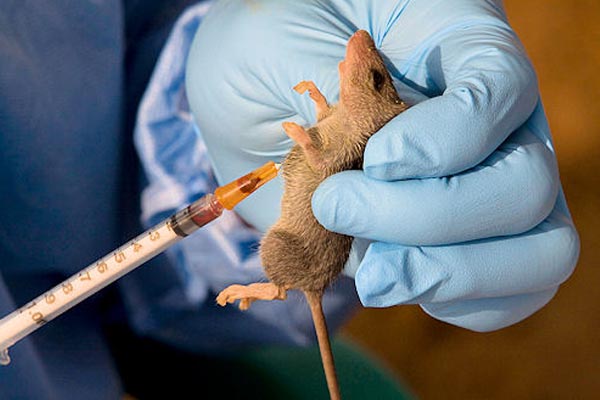
Lassa fever is an acute viral illness primarily transmitted to humans through food or household items contaminated by infected rodents’ urine or faeces. It can also spread through contact with the bodily fluids of infected people, particularly in healthcare settings without adequate infection prevention measures.
The disease can cause fever, weakness, headache and, in severe cases, bleeding and organ complications.
NCDC advised Nigerians to maintain clean surroundings, store food in tightly covered and rodent-proof containers, dispose of waste properly and avoid contact with rats.
The agency also urged anyone experiencing symptoms consistent with Lassa fever to seek medical attention promptly, as early diagnosis and treatment can improve the chances of survival.