


Our ancestors and forebears developed architectural patterns driven by climatic considerations and materials that abound in their environment. Use of wood, thatch roof and beds made of mud on which mats made from rafia were placed. The walls made of palm fronds and leaves strengthened by bamboo and wood made air circulation quite easy.
In such houses of yore, earthenware pots kept drinking water cool. Coming home during intense sunshine relieved the occupant of the house as he came into a welcoming ambience that was naturally cool. As mud walls took over as further development took shape, windows became necessary to allow air in for proper ventilation. Windows were wide, square and spaced to meet this objective.
Then came the era of the use of bricks introduced by the Europeans. With those thick walls, some of which you can still find among existing colonial buildings in Lagos, Abeokuta and many old cities across Nigeria, wide windows became a necessity. Presence of trees, lawns and parks around homes also made those homes cool both day and night.
Then came the era of electricity and installation of fans that helped cause draught of air that kept the insides of buildings cool. This was followed by air conditioners which only the rich aristocrats and senior government civil servants that lived in GRAs had installed for them. With electric power assured and free or cheap, the size of the windows became a thing of aesthetics rather than a practical ventilation consideration.
Over time, electricity has become expensive, unavailable in sufficient quantity to meet the need of a growing population and rapid urbanization. A lot of the unserved resorted to the use of generators. In no time having a generator became a status symbol. Then, mismanagement of our resources and events in the global energy market led to fuel price increases. Generators run on petroleum fuels and that is where wahala met trouble.
In 2026, as I write this, BEDC is on strike and supply of electricity to Edo, Ondo, Delta and Ekiti states has been badly affected due to union strike. In the last few years, those who could afford solar option has installed theirs, treating grid supply as a standby. They do this to reduce their astronomical Band A charges. Others on the poor men’s bands install solar systems to ensure power supply when the epileptic grid power fails.
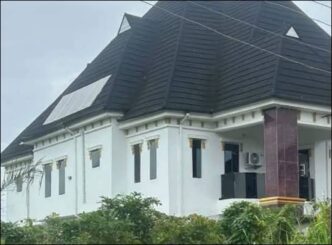
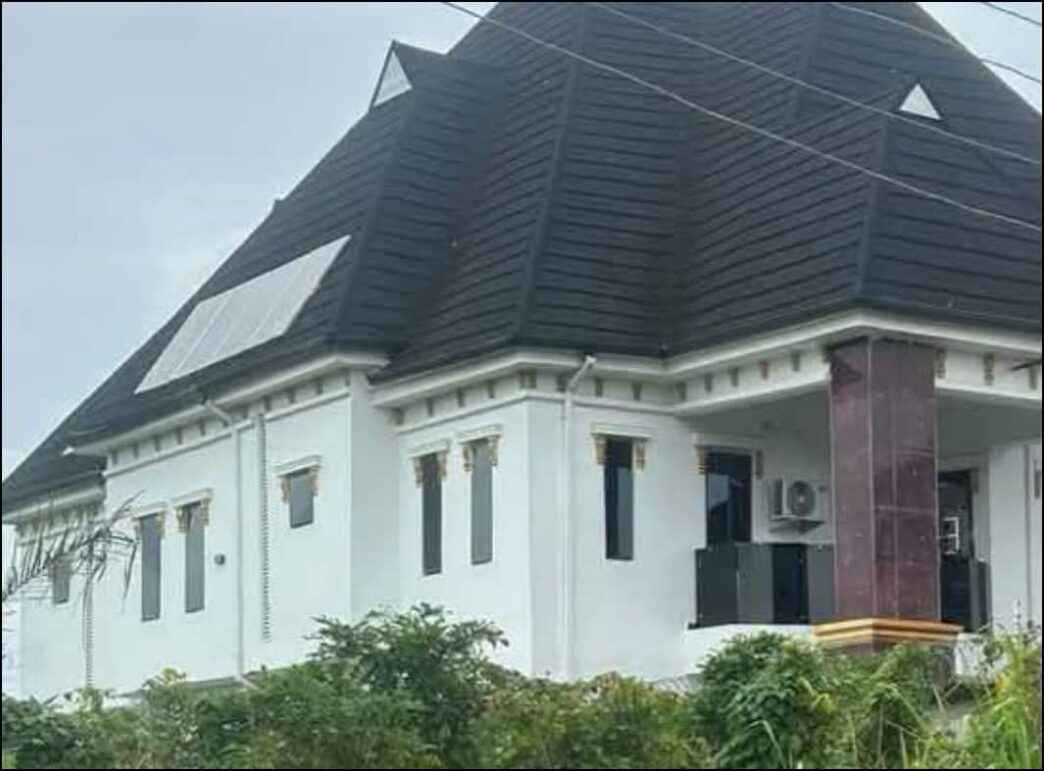
With this situation which seems unlikely to change anytime soon, it is shocking that our building designs seem to be going in the opposite direction that one would expect. People now build houses with long, narrow windows that a bucket cannot pass through! Look at the new houses sprouting up in your neighbourhood and all you see are narrow glass windows and oversized roofs.
The owners of such houses probably saw his neighbour’s own looking beautiful and decided to copy the style. The first folks that brought this style home first saw them in temperate countries where the cost of heating is a major consideration in their extremely cold environment, especially in winters. To show up and let folks know he is a been–to, he neglects environmental and climatic considerations and asks his builder to use the building design he pulled up from the internet.
Once built, the structure has a fantastic aesthetic appeal and stands out in the neighbourhood. It begins to drive the designs of the next buildings in the area. Advice by architects on the unsuitability of some designs in our climate is discountenanced. Such houses become uncomfortable due to intense heat and the only way to live in them is to provide 24-7 power supply. That means having air conditioners that must run always as the opening of windows to let air in has been foreclosed!
As the home built in the God-given tropics has been converted to a sub-temperate climate, the same man who hates the cold of European winters now have to buy duvets to survive his self-inflicted cold! Look at it this way: you brought in a home design from Europe and now you inflict yourself with costs only associated with European climate. You run generators using expensive fuel and associated maintenance costs, polute the environment, install expensive alternative power sources and pretend you are in Europe in Africa.
Yet, the average man who built his house with practicality in mind and has the traditional windows that allow for cross ventilation and trees that provide a cool ambience, sleeps soundly in his local neighborhood. With a mere wrapper or loincloth, he doesn’t worry about duvets and the wahala of special laundry that they require. Why are we bringing in costs that nature had helped us avoid? Why build a roof that costs twice the cost of the rest of the house itself? To impress who?
So, as you plan your next building back home, think wisely. Use a plan that takes our tropical climate into consideration. Regular power supply from the national grid is still a mirage as the government itself has shown by installing a solar alternative at a huge expense to the national treasury. Build what you can power and do not bring home European winter into your tropical neighborhood just to show you have arrived. Paying European energy charges for a Nigerian home looks unwise to me. Some of those costs can be saved through a design that befits our climate and energy situation.
23 October 2026.