

Federal Government has announced plans to commence the replacement of ageing infrastructure across Nigeria’s national electricity grid by January 2027 as part of efforts to improve power supply and address persistent transmission challenges.
Gatekeepers News reports that Minister of Power, Joseph Tegbe, disclosed this on Monday during an interview on a TVC television programme monitored by TheCable.
Tegbe said the exercise would begin within the next one to two months, following an ongoing technical audit of the power sector to identify faulty equipment and facilities requiring urgent repairs or replacement.
“So in the next one or two months, we will commence infrastructure replacement across our grid. President Tinubu is extremely supportive of what we are doing,” he said.
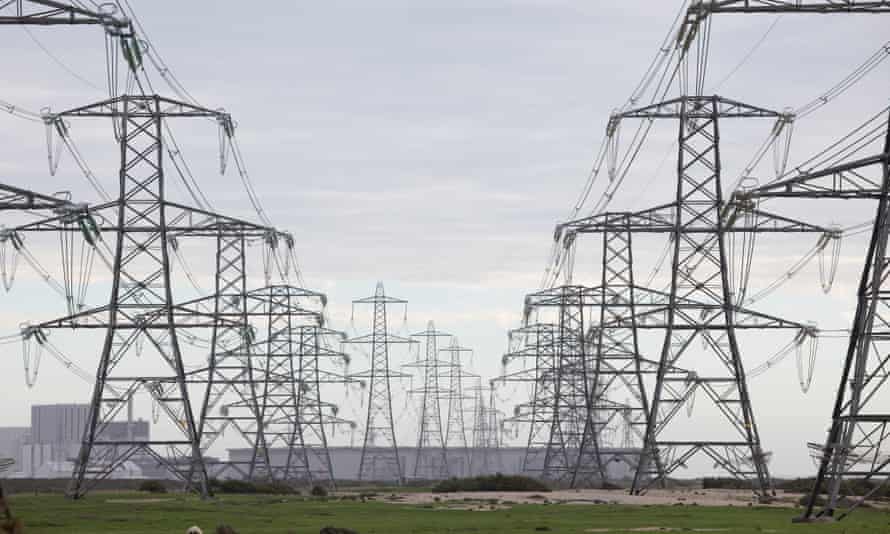
The minister identified electricity transmission as the biggest constraint facing the power sector, noting that some of Nigeria’s transmission lines had been in operation for as long as 50 years.
He explained that the technical audit, which had been underway for about a month, had identified faults affecting several components of the transmission network, including towers, insulators, conductors and relays.
According to him, the assessment would enable the government to direct available resources towards infrastructure requiring immediate intervention rather than spending money on equipment that remains functional.
Tegbe also identified financial challenges within the gas-to-power supply chain as another major factor affecting electricity generation.
He maintained that Nigeria had sufficient natural gas reserves to support power generation but explained that liquidity constraints and outstanding debts owed to electricity generation companies (GenCos) were affecting their ability to procure gas.
The minister put the outstanding debt at N3.3 trillion, disclosing that the Federal Government had paid N1.23 trillion in recent months, leaving approximately N2 trillion yet to be settled.
He expressed optimism that the remaining debt would be addressed next year.
His comments come amid recent disagreements between the Nigerian Independent System Operator (NISO) and the Nigerian National Petroleum Company Limited (NNPC) over the factors responsible for declining electricity generation.
While NISO had attributed the decline partly to limited gas availability and reduced water inflows into hydroelectric stations, NNPC maintained that its gas transportation network had no operational constraints responsible for the situation.
Tegbe urged relevant agencies to work together to address the challenges, stressing that improving electricity supply should remain the priority.
He added that replacing ageing power infrastructure, addressing financial constraints in the gas supply chain and improving generation capacity were necessary to strengthen Nigeria’s electricity sector.