

World Bank has described Nigeria as a global example of steady and credible reforms, saying the country’s policy consistency and development efforts are now referenced internationally as a benchmark for other nations.
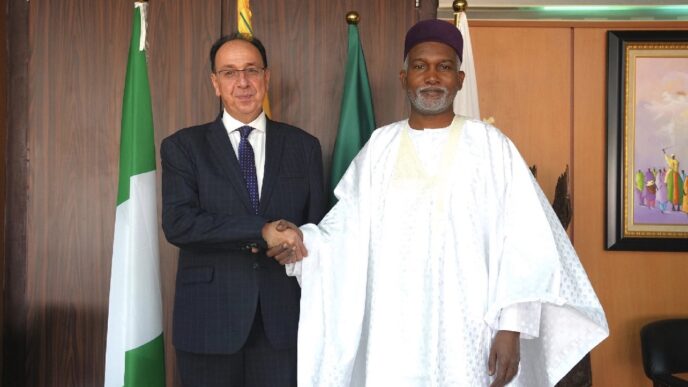
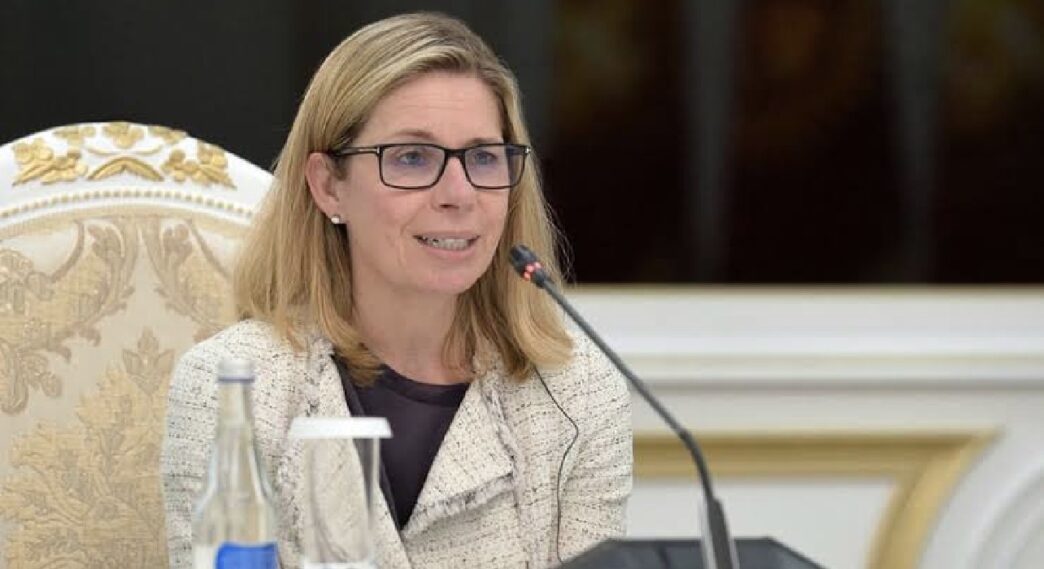
Gatekeepers News reports that Anna Bjerde, the World Bank’s Managing Director for Operations, made the comments on Tuesday during a visit to the State House in Abuja, where she and a senior Bank delegation met with President Bola Ahmed Tinubu and Vice-President Kashim Shettima. The meeting focused on Nigeria’s economic reform agenda and future cooperation with the Bank.
Bjerde praised the progress Nigeria has achieved over the past two years, noting that reforms aimed at stabilising the economy, improving fiscal management, and strengthening institutions have helped build confidence among investors, policymakers, and the private sector.
She highlighted that Nigeria’s resilience in pursuing difficult policy changes, despite domestic and global economic challenges, has distinguished it among developing economies.
The World Bank official also outlined plans for the upcoming Country Partnership Framework (CPF), which will guide Bank support to Nigeria over the coming years and is being aligned with Nigeria’s own development goals, including achieving a $1 trillion gross domestic product (GDP) and 7 percent economic growth.
The CPF is expected to influence how the Bank’s key arms; the International Development Association (IDA), International Bank for Reconstruction and Development (IBRD), and the International Finance Corporation (IFC) tailor their financing, technical assistance, and private-sector support to Nigeria.
Bjerde stressed the importance of improving access to finance for businesses of all sizes, particularly medium-sized firms, which she described as crucial engines of job creation.
She also commended the federal government’s focus on early childhood development, saying it is an essential foundation for long-term productivity and human capital growth, especially in a context where many countries, including those in Africa, are facing rising rates of child stunting.
“Many countries around the world, even middle-income and upper-middle-income countries, are suffering again with rising levels of stunting. And here, we’ve identified early childhood development as a strong entry point,” Bjerde said, emphasising that these priorities will be central in the new partnership framework.
Finance Minister Wale Edun, who also serves as Coordinating Minister of the Economy, and Ibrahim Hassan Hadejia, the Deputy Chief of Staff to the President, were present at the event, underscoring Nigeria’s commitment to deepening its engagement with the World Bank as it pushes forward with reforms that aim to bolster economic growth and development.