

The ruling All Progressives Congress (APC) has begun laying the groundwork for the 2027 general elections, with key party leaders stressing the need for unified messaging, internal discipline and stronger grassroots mobilisation to secure victory.
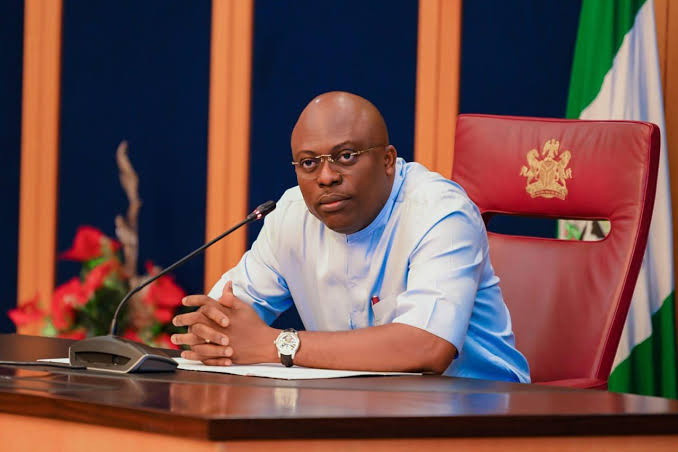
Gatekeepers News reports that Chairman of the Progressive Governors Forum (PGF) and Imo State Governor, Hope Uzodimma, alongside APC National Chairman, Prof. Nentawe Yilwatda, signalled the start of the party’s electoral preparations at a high-level strategy summit held at the State House Banquet Hall, Abuja.
The meeting, attended by members of the Federal Executive Council, APC governors, National Assembly leaders and Renewed Hope Ambassadors from all 36 states and the Federal Capital Territory, focused on aligning governance achievements with political communication ahead of the next election cycle.
Uzodimma acknowledged that while the administration of President Bola Tinubu had recorded reform milestones, the party was struggling to effectively communicate those gains to Nigerians.
“The problem is not policy failure; it is communication failure, and that failure is on us,” Uzodimma said.
He described the summit as a strategic effort to close the disconnect between government reforms and public perception, noting:
“We have gathered with a singular motive: to bridge the gap between the President’s transformative work and the lived reality of millions of Nigerians.”
The PGF chairman highlighted achievements since May 29, 2023, including stronger foreign reserves, increased oil production, expansion of domestic refining, relative exchange-rate stability, the introduction of a N70,000 minimum wage, and the rollout of the Nigerian Education Loan Fund (NELFUND).
He argued that tough measures such as fuel subsidy removal and fiscal restructuring were necessary to avert economic collapse and lay the foundation for sustainable growth.
However, Uzodimma warned that inconsistent messaging, weak ward-level engagement and poor membership expansion could undermine the party’s electoral chances if not urgently addressed.
To tackle these gaps, he unveiled a “three-pillar unified communication architecture” designed to integrate Renewed Hope Ambassadors, government communication teams and APC party structures into a coordinated system. The plan includes standardised messaging guides, structured town halls, harmonised membership drives and coordinated digital campaigns with rapid-response mechanisms to counter misinformation.
Reinforcing the point, Yilwatda said political success depends on both governance and effective communication.
“Good governance without communication is invisible. Communication without structure is noise,” he said.
He added that the APC must institutionalise its political structures ahead of 2027, stressing that the party did not come to power “by accident” but through conviction and organisation.
Both leaders also emphasised the importance of increasing youth and women participation in party leadership and mobilisation, calling for clear targets and structured leadership pathways.
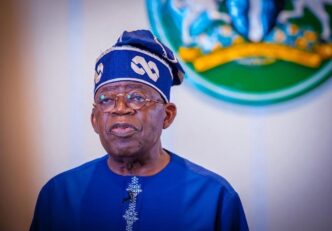
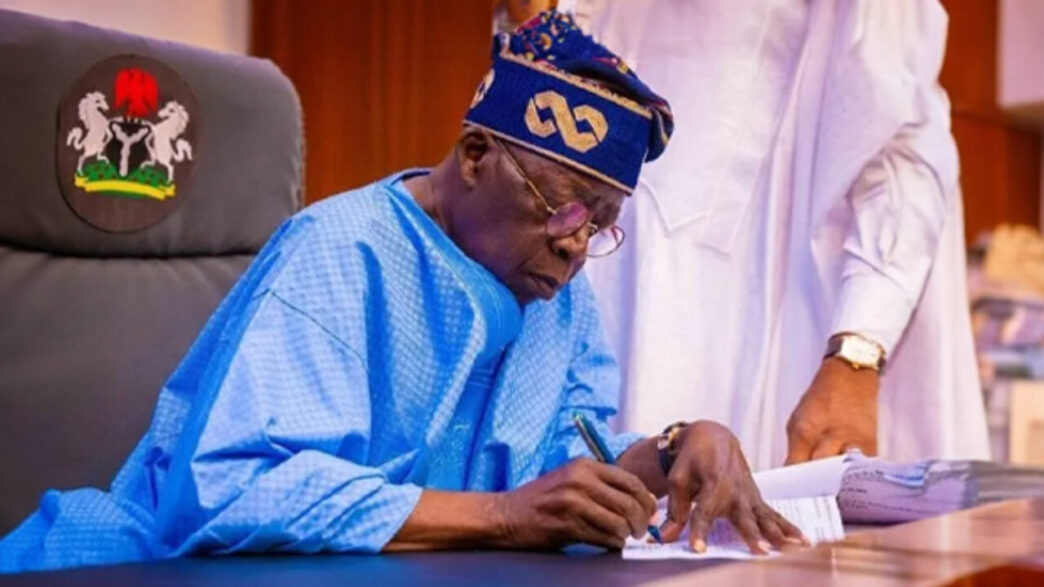
In his remarks, President Bola Tinubu—represented by Vice President Kashim Shettima—urged party leaders to sustain economic reforms and deepen grassroots engagement.
Addressing participants at the Progressive Governors Forum and Renewed Hope Ambassadors Strategic Summit at the Presidential Villa, Tinubu said the administration had moved past stabilisation and was entering a phase of accelerated economic growth.
He described the early reforms as “difficult but necessary corrections” that had helped restore fiscal credibility and stabilise the economy.
“Our economy is picking up. Major investment decisions across Africa increasingly favour Nigeria. That reflects renewed confidence in our direction,” the President said.
Tinubu added that inflationary pressures were easing, fuel supply had stabilised, and the naira was showing stronger fundamentals, supported by interventions from the Central Bank of Nigeria.
He revealed that the proposed N58.18 trillion budget for 2026 would mark a transition “from stabilisation to acceleration,” featuring record capital spending, the largest security allocation in Nigeria’s history, and tax reforms aimed at protecting vulnerable citizens while expanding government revenue.
The President emphasised that reform success would depend heavily on public understanding and urged party members to take the government’s message directly to communities.