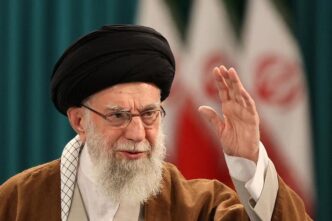
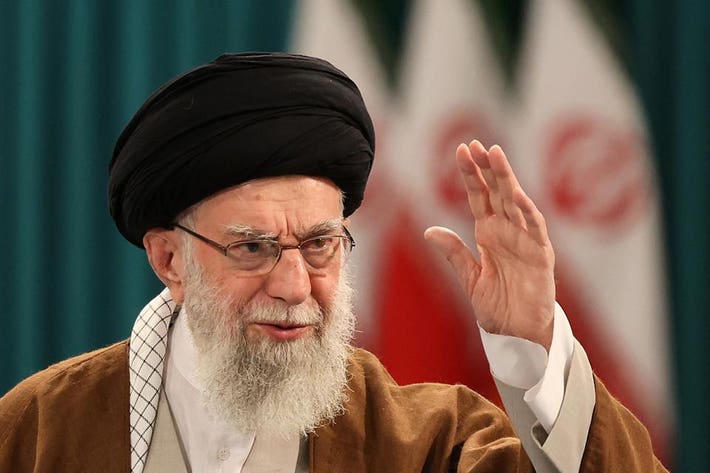
Iran has confirmed that its Supreme Leader, Ayatollah Ali Khamenei, has died, following a major military campaign by the United States and Israel.
Gatekeepers News reports that Iranian state television and government sources acknowledged the leader’s death after earlier reports and denials.
Iran’s official broadcast said the 86‑year‑old cleric, who had led the Islamic Republic since 1989, was killed during the attacks, and announced 40 days of national mourning along with seven days of public holidays. State media also reported that several of Khamenei’s family members including his daughter, son‑in‑law, and grandchild — were among those killed in the strikes.
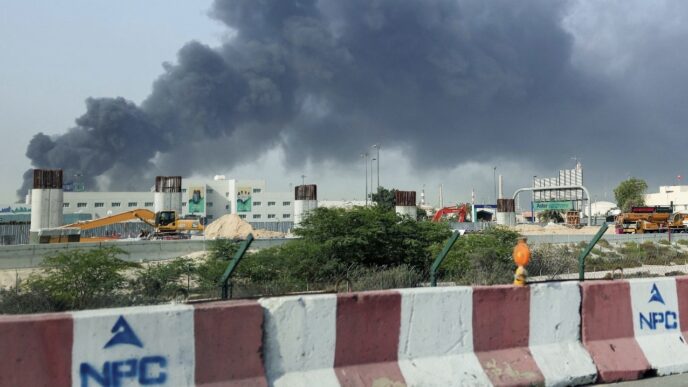
The strikes were part of a large‑scale joint U.S.–Israeli military operation, described by U.S. officials as one of the most ambitious campaigns against Iranian targets in decades. Iran responded by launching waves of missiles and drones toward Israel and U.S. military bases across the Middle East, according to regional reports.
President Donald Trump publicly confirmed Khamenei’s death on social media before Iran’s state announcements, calling him “one of the most evil people in history” and framing the offensive as an effort to weaken Iran’s military capabilities and nuclear ambitions. Israeli leaders also claimed several senior Iranian military commanders were killed in the strikes.
Ayatollah Ali Khamenei had served as Iran’s supreme leader for nearly four decades, exercising ultimate control over the country’s armed forces, judiciary, and foreign policy. His leadership was marked by sharp confrontations with the U.S. and Israel, long‑running disputes over nuclear development, and repeated domestic unrest — including mass protests over economic hardship and social restrictions.
The timing and details of the strikes, the extent of casualties, and the identity of a successor remain key points of uncertainty. Iran has vowed severe retaliation against those responsible for Khamenei’s death, raising concerns about a broader and prolonged regional conflict.