QatarEnergy has suspended the production of liquefied natural gas (LNG) following Iranian military attacks on its facilities in Qatar.
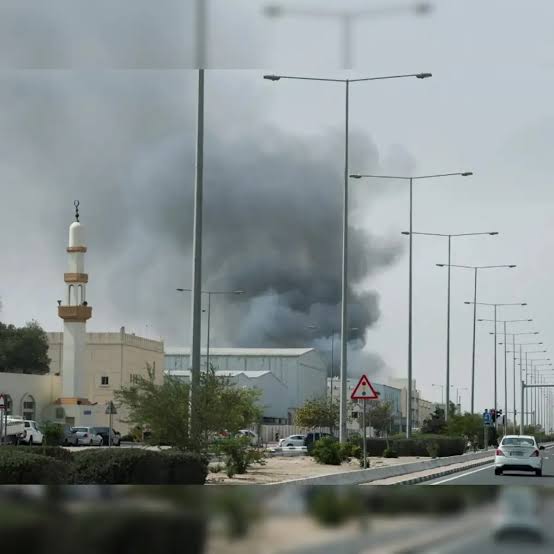
Gatekeepers News reports that in a statement issued on Monday, the state-owned energy giant said the decision was taken after its operational sites were targeted.
“Due to military attacks on QatarEnergy’s operating facilities in Ras Laffan Industrial City and Mesaieed Industrial City in the State of Qatar, QatarEnergy has ceased production of liquefied natural gas (LNG) and associated products,” the statement reads.
The company added that it remains committed to engaging stakeholders and providing updates as the situation evolves.
“QatarEnergy values its relationships with all of its stakeholders and will continue to communicate the latest available information.”
Global Supply Concerns
Qatar is one of the world’s largest LNG exporters. In 2024, LNG shipments from the country accounted for roughly 20 percent of global supply moving through the Strait of Hormuz — a key maritime corridor that has now reportedly been blocked by Iran.
The production halt is expected to trigger significant supply disruptions and could drive up global gas prices.
On Sunday, major container shipping lines suspended sailings through the Strait of Hormuz and the Suez Canal amid rising security threats across the Middle East.
Regional Escalation
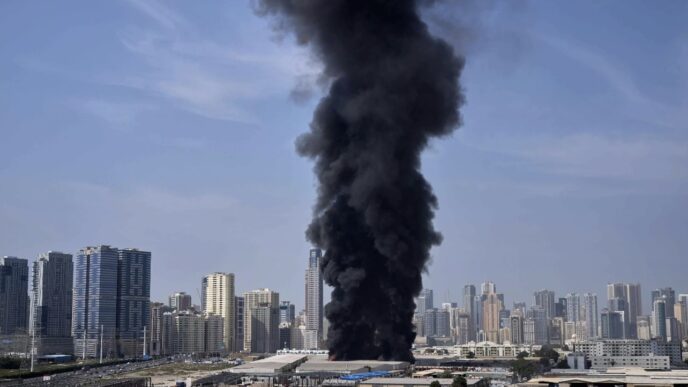
Earlier on Monday, Saudi Aramco shut down its Ras Tanura oil refinery after debris from an Iranian drone attack reportedly sparked a fire at the facility.
The attacks followed reported US-Israeli strikes on Iranian targets, which allegedly killed Ayatollah Ali Khamenei and Abdolrahim Mousavi. Several members of Khamenei’s family were also said to have died in the operation.
In retaliation, Iran has launched waves of missile attacks across the region, heightening fears that neighbouring countries could be drawn into a wider conflict.
The unfolding crisis has intensified concerns over energy security, global supply chains, and geopolitical stability in one of the world’s most critical oil and gas corridors.