

A coalition of conservative Anglican churches has rejected the idea of a woman serving as the symbolic head of the worldwide Anglican Communion, while insisting the move does not amount to a split within the church.
Gatekeepers News reports that the grouping, known as the Global Anglican Future Conference (GAFCON), said on Wednesday that its actions are aimed at preserving what it described as the historic continuity of the Anglican tradition.
GAFCON — a coalition largely made up of conservative Anglican churches in Africa and Asia — has long opposed liberal shifts within parts of the Anglican Communion, including the ordination of women and broader inclusion of LGBTQ+ members.
Tensions intensified after the Church of England, the historic “mother church” of Anglicanism, last year appointed its first female Archbishop of Canterbury, Sarah Mullally.
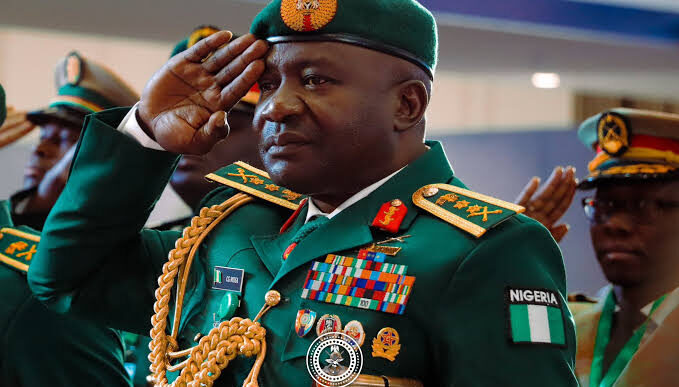
The decision has unsettled many within GAFCON, which is expected during a three-day meeting in Nigeria to elect what it describes as an alternative leader.
Speaking to reporters at the start of the gathering, GAFCON spokesperson Justin Murff said the movement was not attempting to break away from the Anglican Communion but rather to reshape its leadership structure.
“This is not a schism. It is actually a claim to continuity,” Murff said.
Murff added that the group believes the leadership of the global church should reflect where the majority of Anglicans now live.
“Logically, it does not make sense that a small group in the United Kingdom, with minimal input from the Global South, should determine who leads the global Anglican Church,” he said.
Founded in 2008, GAFCON says it represents a majority of practising Anglicans worldwide, reflecting the demographic shift of the church toward Africa, Asia and Latin America.
The Anglican tradition traces its roots to the establishment of the Church of England nearly 500 years ago, when Henry VIII broke away from the Roman Catholic Church.
For centuries, the Archbishop of Canterbury has served as the symbolic leader of the Anglican Communion, which has about 85 million members in 165 countries.
However, that role — historically tied to the global expansion of the British Empire — has faced growing challenges in recent decades as disagreements over women’s ordination and same-sex rights have deepened.
The disputes have strained relations between the more progressive Church of England and more traditional Anglican churches across much of Africa and Asia, raising fresh questions about the unity and future leadership of the global Anglican Communion.