

The Nigerians in Diaspora Commission (NIDCOM) has called on the South Africa government to take immediate action to safeguard Nigerians and other black immigrants following fresh reports of xenophobic violence.
Gatekeepers News reports that in a statement released on Tuesday, the commission said conditions in parts of South Africa are worsening, with recent incidents involving intimidation, looting, and targeted attacks.
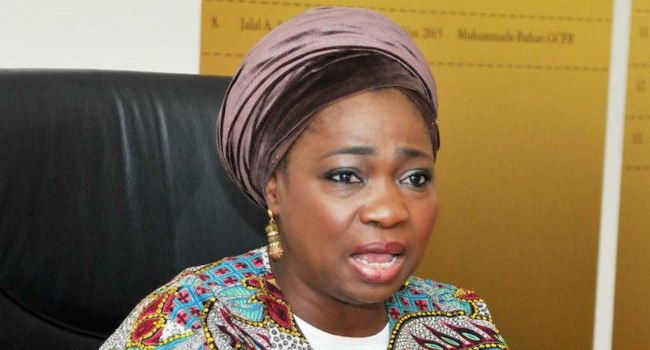
Chairman of the commission, Abike Dabiri-Erewa, warned that the growing unrest is creating fear among affected communities.
“While many expected a de-escalation of tensions following earlier engagements between both governments, the situation on the ground is deteriorating,” she said.
NIDCOM noted that the impact is already being felt within Nigerian communities. Pupils of Nigerian descent are reportedly avoiding school due to safety concerns, while several business owners have shut down operations amid fears of harassment and violence. Community leaders have also reported new attacks within the past 72 hours.
The commission urged South African authorities to uphold their responsibilities under international law and African Union protocols by ensuring the protection of all foreign nationals.
It also rejected what it described as the profiling of Nigerians, insisting that criminal acts should not be generalised.
“Crime has no nationality. Any individual, regardless of origin, who commits an offence should be investigated and made to face the full penalty of South African law,” the statement said, warning that collective punishment and stereotyping were “dangerous and unacceptable”.
NIDCOM outlined measures it believes are necessary to address the situation, including increased police presence in affected areas, swift arrest and prosecution of perpetrators, and clear public messaging condemning xenophobia. It also proposed the creation of a joint Nigeria–South Africa community safety forum involving law enforcement agencies, local authorities, and diaspora representatives.
The appeal comes amid renewed concern over xenophobic violence in South Africa, where previous attacks on foreign nationals, including Nigerians, have strained diplomatic relations between both countries. Recent isolated incidents and rising anti-immigrant sentiment have sparked fears of a wider escalation despite ongoing diplomatic efforts.
The commission said it is working closely with Nigeria’s diplomatic missions in Pretoria and Johannesburg, as well as the Ministry of Foreign Affairs, to monitor developments.
It advised Nigerians living in South Africa to remain law-abiding, stay away from high-risk areas, and exercise caution.
“Nigeria will continue to work diplomatically with South Africa to ensure the safety, dignity and rights of our citizens abroad,” Dabiri-Erewa said.