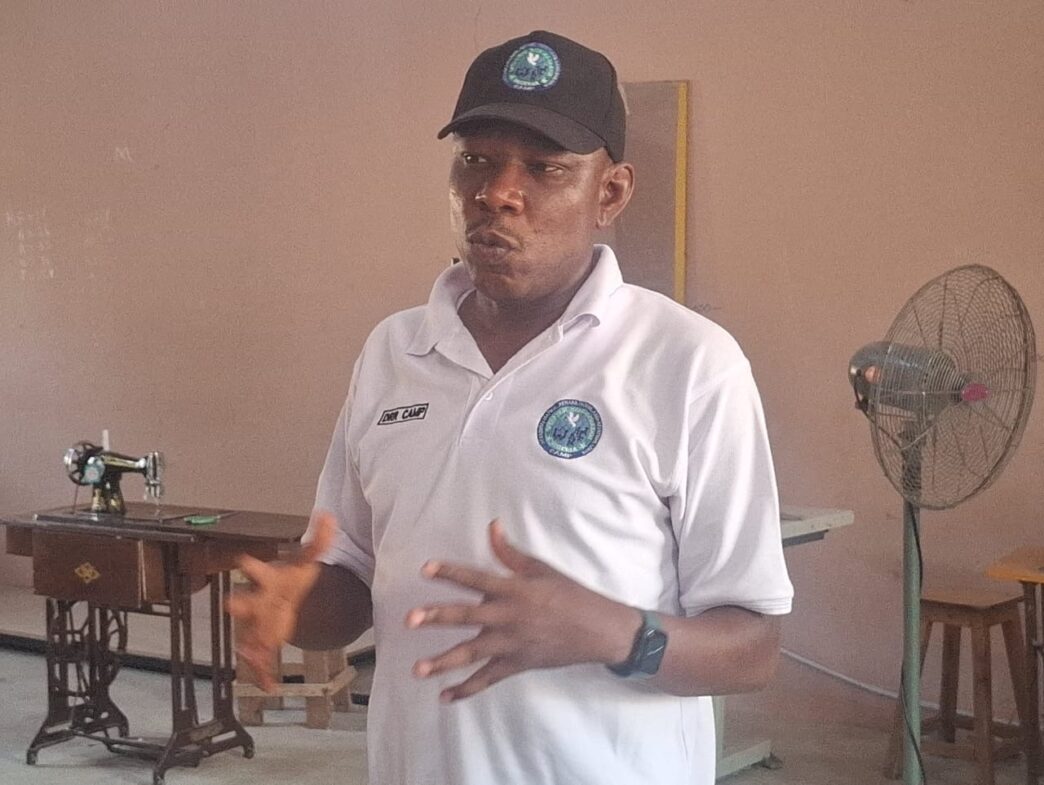
By: Gbenga Akingbule In Gombe
The sun was scorching across the dusty landscape of Mallam Sidi in Kwami Local Government Area of Gombe State, North-East Nigeria. Outside, the harsh heat swept through the quiet community, a reminder of the difficult terrain and turbulent history that have shaped the region for almost two decades.
Gatekeepers News reports that recently inside one of the air-conditioned hall at the Mallam Sidi Deradicalisation, Rehabilitation and Reintegration( DRR) Camp operated under Operation Safe Corridor, dozens of young men sat attentively, their eyes fixed on a large screen displaying the recorded message of a renowned Islamic preacher- Sheikh Dr. Bashir Aliyu Umar.
For many of the men seated in the hall, this was not merely another lecture. It was part of a deliberate effort aimed at dismantling years of extremist indoctrination, correcting distorted religious beliefs and rebuilding lives damaged by insurgency.
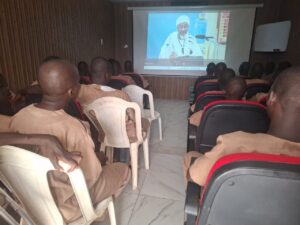
The young men, many of whom are former insurgents who once operated in territories controlled by Boko Haram and Islamic State West Africa Province (ISWAP) , listened quietly as the cleric spoke passionately in hausa language about peace, humanity, tolerance and the true teachings of Islam.
The objective was clear — to purge them of violent radical ideology, reshape their mindset and prepare them to become responsible citizens capable of contributing positively to the development of their communities.
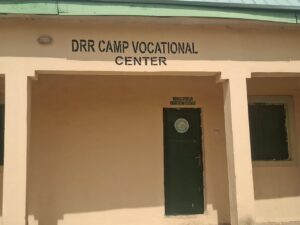
The session forms part of the routine activities at the Mallam Sidi camp, one of Nigeria’s most strategic centres for deradicalisation, rehabilitation and reintegration of repentant insurgents under Operation Safe Corridor.
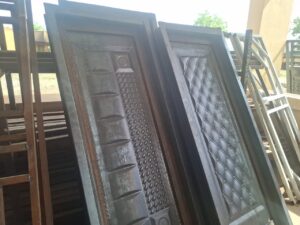
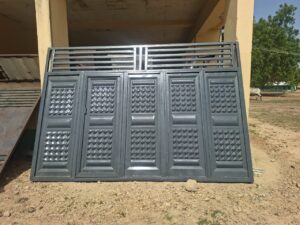
Journalists from across the country, visited the Mallam Sidi Deradicalisation, Rehabilitation and Reintegration Camp where they were briefed on ongoing efforts aimed at giving former insurgents a new lease of life through ideological reorientation, vocational training and psychosocial rehabilitation programmes.
According to the Camp Commandant, Col. Mohammed Danjuma Bello who conducted reporters round the facility, the deradicalisation process begins the very moment an ex-Boko Haram insurgent steps into the camp. He explained that the participants whose biodata are taken , are subjected to medical examinations on arrival and are no longer addressed as ex -.terrorists, but referred to as “clients” as part of efforts aimed at restoring their dignity and preparing them for reintegration into society.
Col. Bello noted that the approach is designed to gradually change their mindset through counselling, rehabilitation programmes, vocational training, religious reorientation and psychological support, with the aim of helping them abandon violent extremism and embrace peaceful coexistence.
The Mallam Sidi Camp currently plays host to its new set of clients, all of whom are dressed in carton-brown uniforms bearing their identification numbers. The ex-insurgents are carefully categorised into different groups- the Special Batch Clients , Sulhu Batch Clients and the Normal Batch Clients.
The classification system according to officials is aimed at ensuring proper monitoring, counselling and tailored deradicalisation programmes for each client as they undergo rehabilitation and reintegration into society.
The special batch according to operation safe corridore are persons who had completed their jail terms from Kainji Military Cantonment in Niger State . These set of indiciduals hails from differnt parts of Nigeria whick include Akwa- Ibom state , Enugu state , Kogi State amongst others.
The Sulhu clients are ex insurgents who willingly surrendered to the Depertmenr of State Services (DSS) while the Normal clients are from Giwa Barracks in Maiduguri Borno state.
All these categories are subjected to a six- months DRR programme, ranging from psychosocial support and counselling to vocational training, religious reorientation and other rehabilitation activities aimed at preparing them for reintegration into society.
It is pertinent to note that the Mallam Sidi DRR programme is not being handled by the Nigerian government alone, as some international partners and humanitarian organisations, including the International Organization for Migration (IOM) and the International Committee of the Red Cross (ICRC), amongst others are also providing support towards a successful reintegration of the ex-insurgents into society.
The success recorded by the decade-old DRR programme has continued to attract international attention, as neighbouring Niger and Chad are reportedly exploring ways to adopt and replicate the model in addressing insurgency and rehabilitation challenges in their countries.
At the end of the six-month programme, officials say graduating clients are not necessarily reintegrated into their former communities. Instead, they are given the opportunity to choose where they wish to settle and begin a new life.
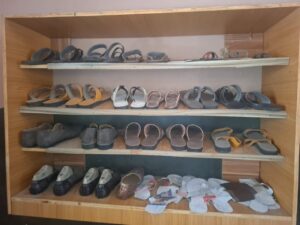
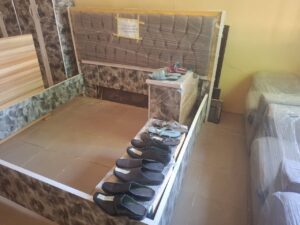
Beyond the rehablitation process , products manufactured by the clients during their stay at the camp have gained popularity. Buyers now come from far and near to purchase items such as shoes, furniture, fish and poultry products, among others. According to camp officials, the patronage serves as a practical demonstration of the programme’s success in transforming former insurgents into self-reliant citizens capable of contributing positively to the economy and their communities.
” From the iception of the DRR programme here at Mallam Sidi ,. we.have graduated a total of 3,445 clients ,. This has significantly contributed to the reduction of active terrorists out there in the bush. ” The Camp Commandant said .