

World Health Organization (WHO) has significantly revised its Ebola outbreak figures in Central Africa, reducing the number of suspected cases in the Democratic Republic of Congo (DRC) from more than 900 to 116, while confirmed infections continue to rise.
Gatekeepers News reports that according to updated data released on Tuesday, 116 suspected Ebola cases had been recorded in the DRC as of May 31, a sharp decline from the 906 suspected cases reported late last week.
The health agency said 321 cases have now been confirmed in the DRC, including 48 deaths. In neighbouring Uganda, nine confirmed cases have been recorded, with one fatality.
Explaining the dramatic reduction in suspected cases, WHO spokesman Christian Lindmeier said many individuals initially classified as possible Ebola patients were later found to be suffering from other illnesses with similar symptoms.
“Anybody who gets picked up by surveillance or presents themselves in a health facility with any symptoms that could be Ebola-like” is initially counted as a suspected case pending laboratory confirmation, he said.
According to Lindmeier, while some suspected cases were eventually confirmed as Ebola infections, many others were removed from the data after testing negative for the virus.
“Have been cleared out” from the figures after being shown to have other diseases with similar symptoms or unrelated fevers, he explained.
Lindmeier noted that illnesses such as malaria and meningitis accounted for some of the cases initially classified as suspected Ebola infections.
“There had been a couple of cases with malaria or meningitis case or others,” he said.
“So they then of course drop off the suspected cases list and don’t appear in that statistic any more.
“If you’re confirmed, you’ve been added then to the confirmed cases.”
He added that it is normal during an outbreak for confirmed cases to continue increasing while suspected case numbers fluctuate as investigations and testing progress.
The Ebola outbreak was officially declared on May 15 in Ituri Province in northeastern DRC, a region affected by ongoing conflict. However, health officials believe the virus had been spreading undetected for several weeks before the outbreak was formally announced.
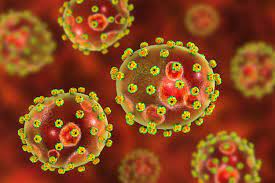
One of the challenges in detecting the disease early is that Bundibugyo Ebola virus—the strain responsible for the current outbreak—initially causes symptoms that resemble common illnesses such as malaria, typhoid and influenza.
WHO’s previous reports also included 223 deaths classified as suspected Ebola fatalities. However, the organisation has now removed that category from its latest figures.
Addressing the change, Lindmeier said the number had been highly uncertain because it included people who died before the outbreak was confirmed, many of whom could not be tested posthumously.
The WHO also reported that six people who contracted Ebola during the current outbreak have recovered.
Health experts continue to monitor the situation closely. However, no approved vaccine or treatment currently exists for the Bundibugyo strain of the Ebola virus, making prevention, surveillance and rapid case identification the primary tools for containing the outbreak.