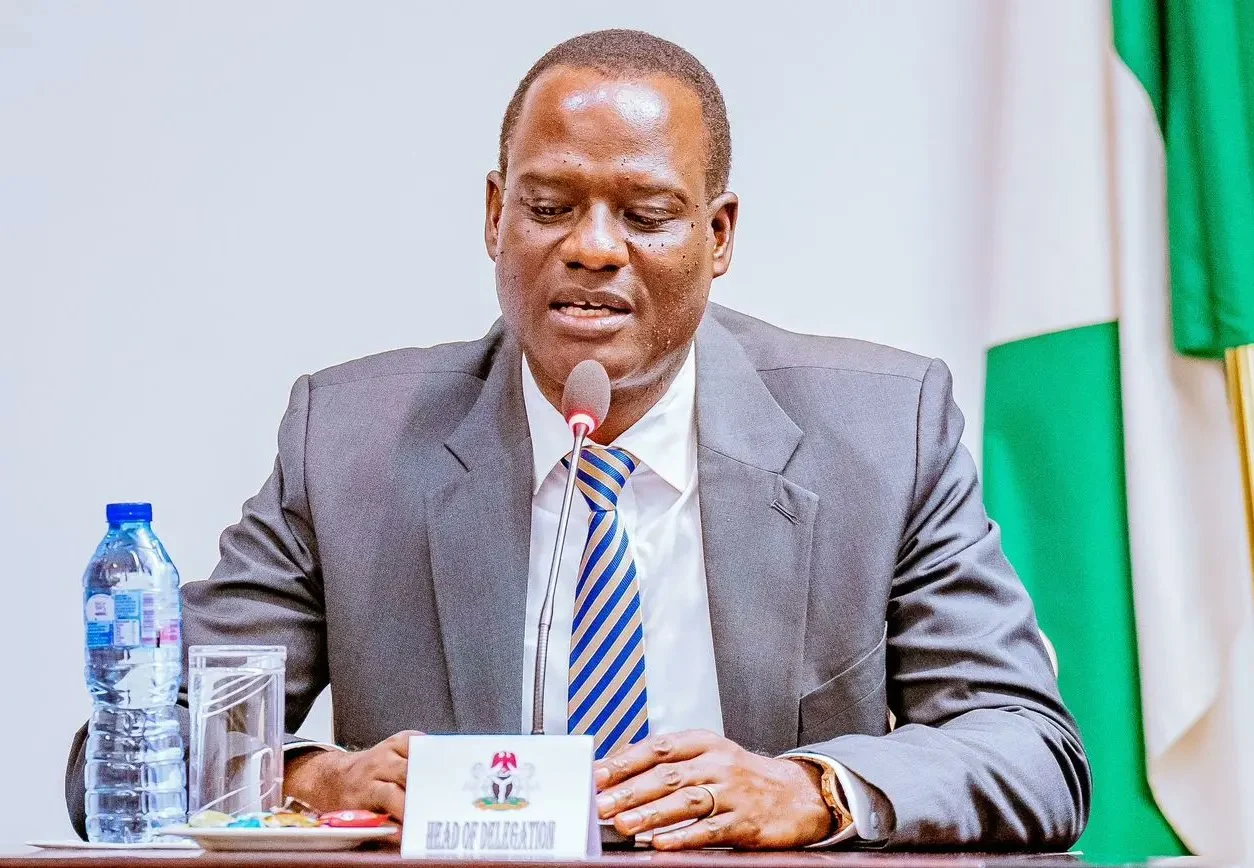



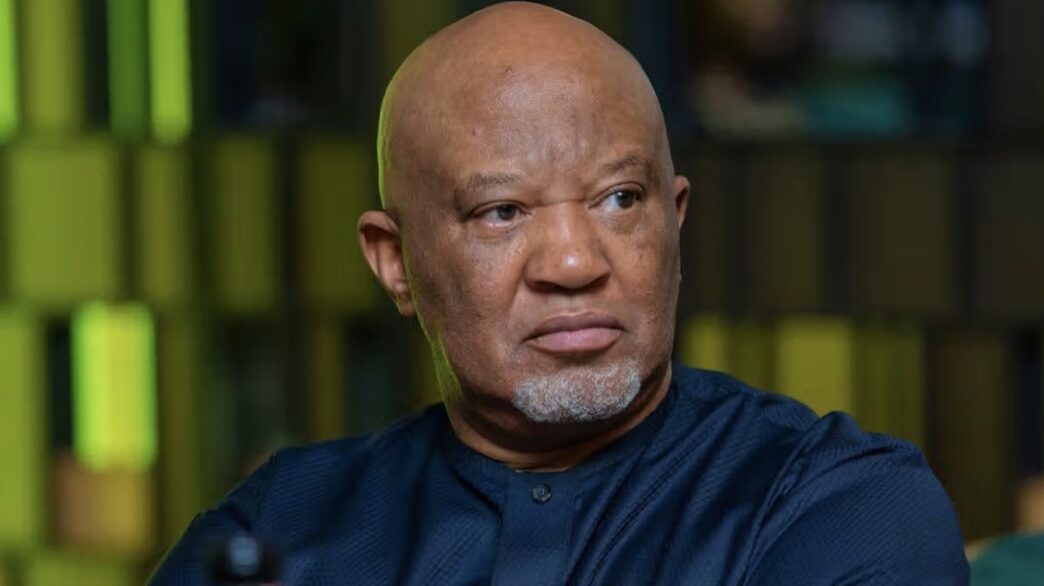
Mcebisi Jonas, chairman of MTN Group, has condemned the wave of xenophobic attacks in South Africa, warning that driving foreigners out of the country will not solve its deep-rooted socioeconomic problems.
Gatekeepers News reports that speaking at the funeral of Zimbabwean-born activist and public servant Thokozani Damasane, Jonas delivered a strong rebuke of anti-foreigner sentiment and urged South Africans to embrace a renewed sense of continental solidarity.
“Foreigners can leave tomorrow — inequality will be with us,” Jonas said.
“Foreigners will leave tomorrow — unemployment will be with us. Foreigners will leave tomorrow — our police will remain corrupt. Foreigners will leave tomorrow – our politicians will still be concerned with one thing: being elected and re-elected.”
Jonas blamed the South African state for creating conditions that have fuelled hostility toward immigrants, arguing that failures in governance have left citizens vulnerable to political manipulation.
“The problem is the failure of the state,” he said.
“The state doesn’t manage immigration. It doesn’t manage its borders. It doesn’t enforce law enforcement. It doesn’t manage education. What are you expecting?
“When people feel the burn, they become vulnerable to politicians whose sole purpose is to be elected and re-elected.
“Some of them have no credibility whatsoever. But they lead marches and tell our people that the problem is not us — it is foreigners.”
The MTN chairman also stressed that South Africa’s future is closely tied to the rest of the continent, saying economic prosperity cannot be achieved in isolation.
“And without Africa, our growth as a country – economically – our fortune is intertwined with the growth of Africa. South Africa is nothing without Africa,” he said.
“And Africa is nothing without South Africa.”
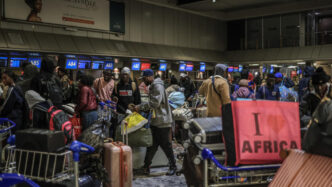
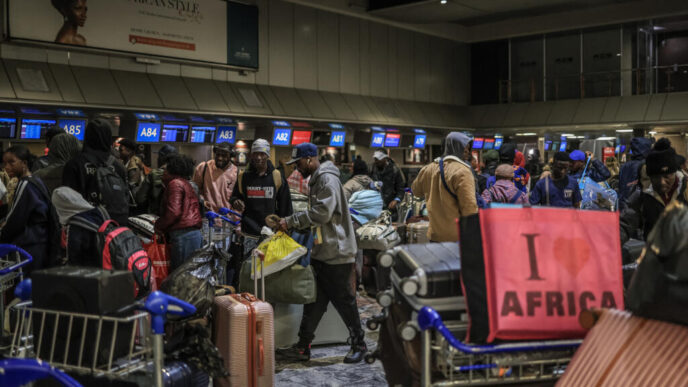
Jonas called for a return to what he described as “national consciousness”, rooted in African unity and shared economic progress rather than ethnic exclusion. His remarks come amid renewed attacks on foreign nationals, particularly migrants from countries such as Nigeria, Zimbabwe, Mozambique and Malawi.