Federal Government has announced plans to phase out the policy separating Junior Secondary School (JSS) from Senior Secondary School (SSS), citing alarming dropout rates that leave millions of children unable to progress through the education system.
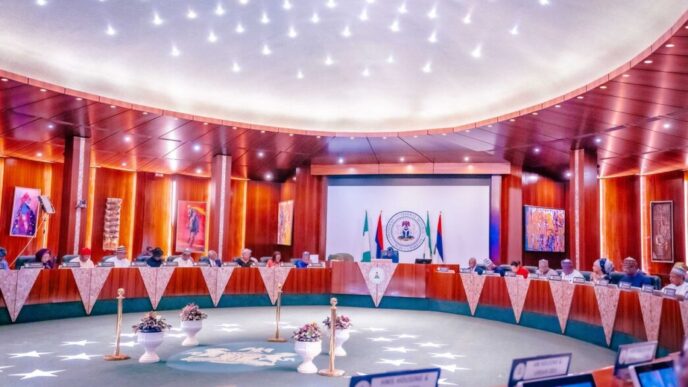
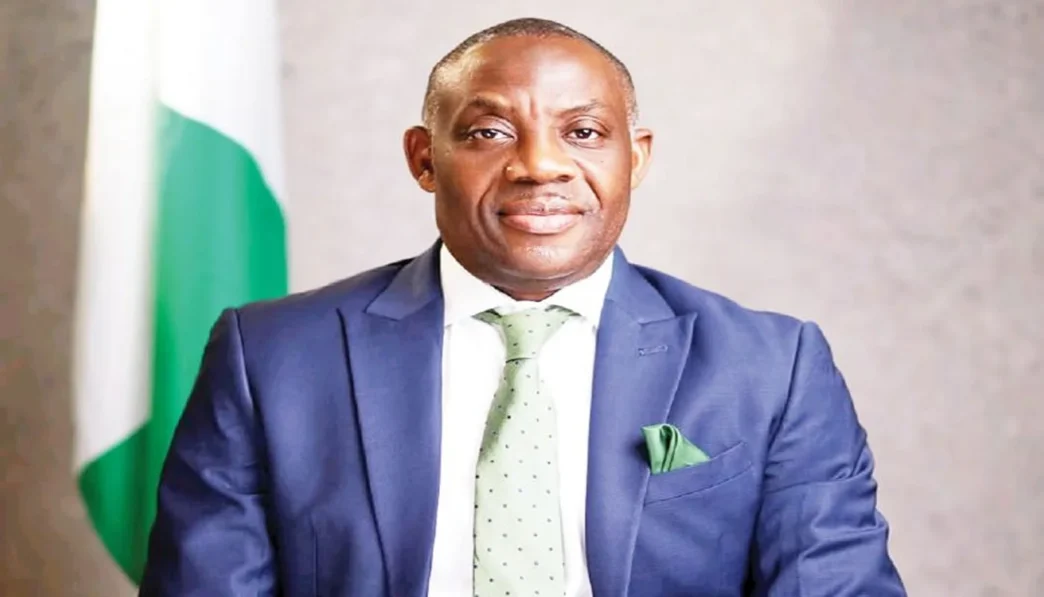
Gatekeepers News reports that Minister of Education, Dr. Tunji Alausa, disclosed the move on Tuesday in Abuja during the inauguration of the Universal Basic Education Commission (UBEC) Ministerial Implementation and Monitoring Committee. He said government data showed that while about 24 million children enrol in primary schools, only about four million eventually complete senior secondary education.
According to the minister, the sharp decline is linked to structural challenges within the current system. He noted that Nigeria has roughly 80,000 public primary schools but only about 15,000 junior secondary schools, creating a major bottleneck that prevents many pupils from advancing after primary education.
Alausa said the separation of JSS and SSS has resulted in overcrowded junior secondary schools while many senior secondary schools remain underutilised. He described the arrangement as ineffective and said the government would begin steps to phase it out.
The minister explained that the proposed reform is aimed at creating a smoother transition for learners and reducing the number of children who leave school before completing their education. The proposal will be presented to the National Council on Education, the country’s highest education policy-making body, for consideration.
The move aligns with the Federal Government’s broader push for a 12-year uninterrupted basic education model, which officials say would help improve retention, expand access to schooling and better equip students with vocational and entrepreneurial skills before they proceed to higher education.
As part of efforts to strengthen basic education, the government also inaugurated a committee to accelerate the completion and operationalisation of UBEC-funded smart schools, bilingual schools and alternative learning centres across the country.