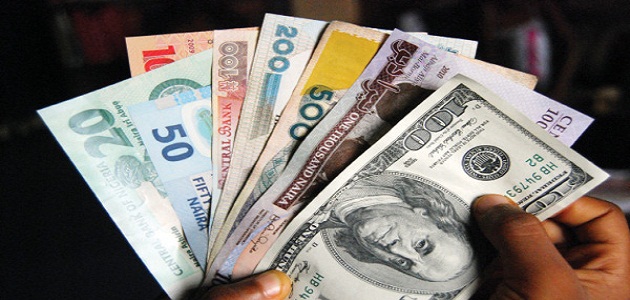


Nigeria’s gross external reserves have risen to $51.86 billion, their highest level in more than 17 years, exceeding the Central Bank of Nigeria’s (CBN) projection for 2026 several months ahead of schedule.
Gatekeepers News reports that latest data released by the CBN and tracked by Nairametrics shows the country’s reserves stood at $51.86 billion as of Tuesday, July 14, 2026, extending a steady upward trend recorded over the past few months.
Reserves Continue Upward Momentum
According to the CBN, the reserves increased by approximately $22.69 million between Monday, July 13, and Tuesday, July 14.
The latest figures continue a sustained rise that began in the second quarter of the year. At the beginning of July, reserves stood at $51.52 billion, rising to $51.76 billion within the first week of the month before reaching $51.86 billion.
The growth reflects stronger foreign exchange inflows and improved liquidity in the foreign exchange market. It also strengthens Nigeria’s external buffers, enhancing the country’s ability to meet international obligations, support exchange rate stability and cushion the economy against external shocks.
Strong Performance Since May
The latest increase follows a robust performance in June, when Nigeria’s external reserves rose sharply.
The reserves closed June at $51.45 billion, compared to $49.58 billion at the end of May, representing an increase of nearly $1.9 billion within one month.
Between June 1 and June 18, reserves expanded from $49.80 billion to $51.04 billion, reflecting growth of about 2.5 per cent.
The June gains built on improvements recorded in May, when reserves increased by approximately $1.22 billion.
The current trajectory marks a significant recovery from the fluctuations seen earlier in the year. While reserves dipped to $48.36 billion at the end of April from $49.23 billion in March, they had already begun recovering in February, rising to $49.69 billion from $46.27 billion in January, a 7.4 per cent increase.
The sustained growth has been supported by improved oil earnings and stronger capital inflows.
Experts Link Growth to Oil Revenue and Investor Confidence
Chief Executive Officer of Nisela Capital Limited, Dr. Jerry Igwilo, attributed the steady rise in reserves to stronger crude oil earnings.
“We have seen that in the last couple of months, the prices of crude oil have gone up because of the Iran-US war. What that has done is that it has increased the amount of dollars we get for selling our crude oil.
“For Nigeria, the increase in foreign reserves means that we’re able to get in more revenue in foreign currency,” he said.
Igwilo added that improving economic fundamentals and increased foreign exchange earnings have continued to support the build-up of reserves.
Similarly, the Chief Executive Officer of the Centre for the Promotion of Private Enterprise (CPPE), Dr. Muda Yusuf, said the reserve growth reflects rising confidence among foreign investors and the international business community.
According to him, stronger portfolio investment inflows and improved export performance have played a major role in boosting reserves.
“It takes a lot of confidence in an economy for foreign inflows to come in, and of course, we have seen significant improvement in portfolio flows especially.
“In addition to that, our export performance has been improving. If you look at our trade data, you will see that increasingly, we have been in surplus for some time now,” he said.
Yusuf added that ongoing economic reforms have improved foreign exchange liquidity and increased the attractiveness of Nigerian financial assets.
“Generally, I think it’s a reflection of the improving level of confidence in the economy. It’s also a reflection of the fact that we have very good returns in our financial instruments.”
CBN Projection Already Surpassed
The latest reserve level is significant because it has already exceeded the CBN’s projection for the entire year.
In its 2026 macroeconomic outlook, the apex bank projected that Nigeria’s external reserves would rise to about $51.04 billion, driven by stronger crude oil earnings, foreign exchange market reforms, increased diaspora remittances, higher foreign capital inflows, expanded domestic refining capacity and successful sovereign bond issuances.
With reserves now standing at $51.86 billion, Nigeria has surpassed that forecast by approximately $800 million, several months before the end of the year.