

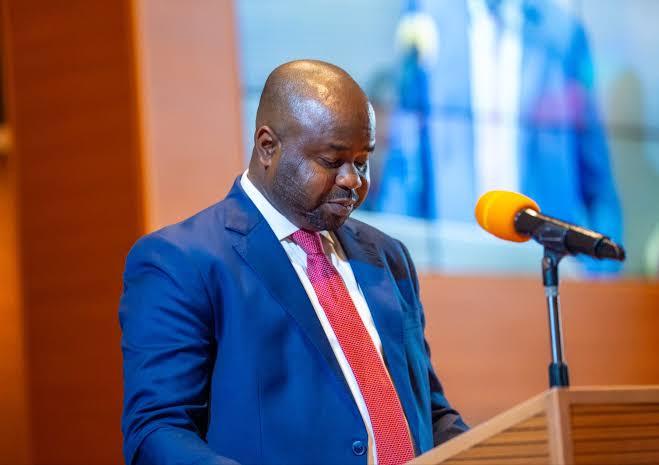
Zacch Adedeji, chairman of the Nigeria Revenue Service (NRS), says many more Nigerians would have fallen into poverty if the federal government had not implemented its ongoing economic reforms.
Gatekeepers News reports that Adedeji made the remarks during an interview on Channels Television’s Politics Today, monitored by TheCable on Sunday.
He said the impact of the reforms should be assessed against the economic situation inherited by the administration of President Bola Tinubu and the progress recorded since then.
“If you remember where we are coming from… if we’ve not done what we are supposed to do, possibly double of that population will have gone to poverty, and I’m telling you that progress is what we should measure,” he said.
The NRS chairman said state governments are now less dependent on federal support to meet their salary obligations, while more civil servants have gained access to credit facilities.
He also cited the federal government’s student loan scheme as another example of how its policies have benefited Nigerians.
“Before now, nobody talks about student loan. Based on the last check, more than one million students in 300 higher institutions have been disbursed more than N303 billion to them in the last three years. This has never been in existence,” Adedeji said.
‘FX Reforms Have Improved Capital Inflows’
Adedeji said reforms in the foreign exchange market had also contributed to improved capital inflows by addressing distortions caused by multiple exchange rates.
According to him, the wide disparity between the official and parallel market exchange rates previously discouraged investors from bringing capital into Nigeria.
“When you have exchange rate at N463 and the official rate is roughly at N1,200, you have zero capital importation,” he said.
He said the decision to unify the exchange rate system had subsequently created a more favourable environment for businesses, adding that the impact could be seen in the financial performance of companies operating in the country.
‘Refinery Operations Would Not Have Worked Without Subsidy Removal’
The NRS chairman also defended the removal of the petrol subsidy, saying the policy was necessary to support the operation of domestic refineries.
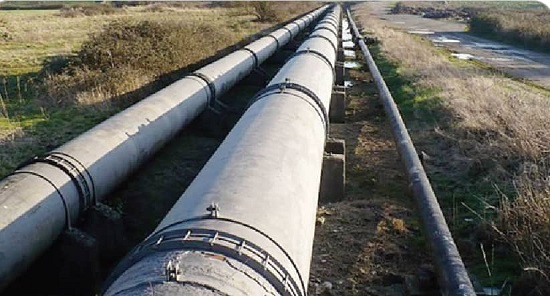
Adedeji said Nigeria’s refining capacity had increased from about 30,000 barrels per day before the Tinubu administration to roughly 700,000 barrels per day.
“If Mr. President had not removed subsidy, there is no way [the] refinery will work,” he said.
He added that increased domestic refining capacity had helped shield Nigeria from some disruptions in the international oil market.
Adedeji said Tinubu deserved support and commendation for making what he described as courageous decisions “to be a state man and not a politician.”