

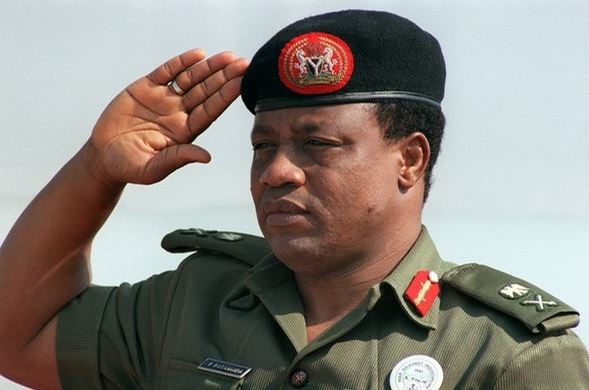
Former military Head of State Ibrahim Badamasi Babangida has said civilians, particularly wealthy individuals, have always played a role in successful military coups in Nigeria.
Gatekeepers News reports that Babangida made the disclosure during an interview with Badeggi 90.1 FM in Minna, Niger State, as part of activities marking his 85th birthday on Monday.
The former military ruler said the involvement of civilians in military takeovers was a recurring feature of Nigeria’s political history, noting that affluent individuals had at different times provided support and resources for coup attempts.
“No successful coup in Nigeria’s history had occurred without civilian involvement,” he said.
Babangida also revisited the 1985 coup plot that led to the arrest and eventual execution of Mamman Vatsa, who was then the Minister of the Federal Capital Territory.
Vatsa was a close friend and associate of Babangida, with both men having attended Bida Middle School, now Government College Bida, before joining the military and graduating in the same year.
Babangida recalled that he initially struggled to accept reports that Vatsa was involved in a plot to overthrow his government because of their long-standing relationship.
He said he summoned Vatsa and Mohammed Gado Nasko after a senior military officer informed him that their names had surfaced in connection with the alleged coup plot.
According to him, both officers denied any involvement when questioned.
Babangida said a military commission of inquiry was subsequently established to investigate the allegations. While Nasko was cleared, the panel reportedly found evidence connecting Vatsa to the plot.
The former military ruler said the finding left him devastated, adding that military law prevented him from intervening to save Vatsa once the allegations had been established.
“There was nothing I could do to exonerate him from the consequences prescribed by military law. My hands were tied. That was how I lost my brother, General Mamman Vatsa,” he said.
Vatsa was subsequently executed by firing squad in March 1986.
Reflecting on Nigeria’s present economic and security situation, Babangida called on Nigerians to remain optimistic and support the administration of President Bola Ahmed Tinubu.
He expressed confidence that the government’s current efforts could eventually bring improvements to the country.