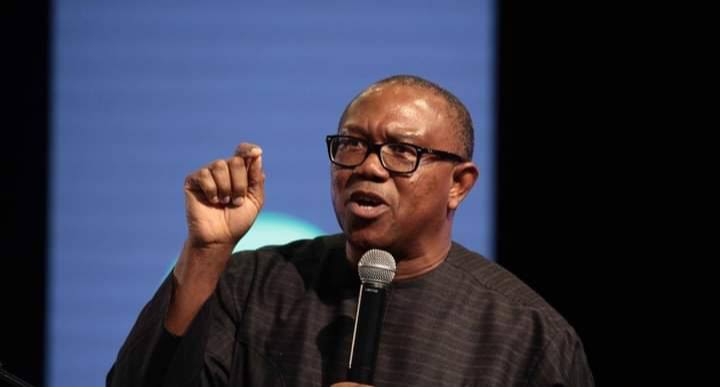




Adewole Adebayo, presidential candidate of the Social Democratic Party (SDP), has promised to reduce the prices of petrol, cooking gas and aviation fuel to no more than N200 per litre within 12 months if elected president in 2027.
Gatekeepers News reports that Adebayo made the pledge on Sunday in Abuja during an interview with the News Agency of Nigeria (NAN). He said his administration would focus on reviving Nigeria’s existing refineries while creating an environment that would allow modular refineries to operate effectively.
He argued that the age of the country’s refineries should not prevent them from being rehabilitated, noting that some refineries in the United States are more than 100 years old and remain operational.
“SDP will pick cooking gas, petrol and Jet A1; those three, we will put them under a regime where the price does not go past N200,” Adebayo said.
He also proposed returning to what he described as the original subsidy arrangement, under which 450,000 barrels of crude oil are reserved for domestic consumption.
According to him, revenue from other products derived from the crude, including naphtha, heavy fuel oil, diesel and kerosene, could be used to sustain the pricing arrangement.
“All other derivatives from the 450,000 barrels, like naphtha, heavy fuel oil, diesel, kerosene, etc., will be sold and the money used to maintain the regime price,” he said.
The SDP candidate rejected the argument that restoring such an arrangement would amount to a return to the former fuel subsidy regime. He described the subsidy debate as a distraction from the broader challenge of insufficient domestic refining capacity.
Adebayo said Nigeria should prioritise refining its crude locally instead of relying heavily on imported refined petroleum products, arguing that the country has both crude oil resources and existing refinery infrastructure.
He also said that if elected, his administration would ensure that Nigerians would no longer have to contend with the recurring debate over fuel subsidy, which he described as a “red herring.”
The promise comes amid renewed concerns over petrol price volatility in Nigeria, with NMDPRA recently attributing fluctuations to factors including crude sourcing, logistics costs and the country’s reliance on limited domestic refining sources.