

Federal government and stakeholders in Nigeria’s rice value chain have called for measures to reduce the cost of producing rice and increase domestic supply.
Gatekeepers News reports that the call was made on Tuesday during a technical consultation on Nigeria’s rice value chain organised by the Presidential Food Systems Coordinating Unit (PFSCU).
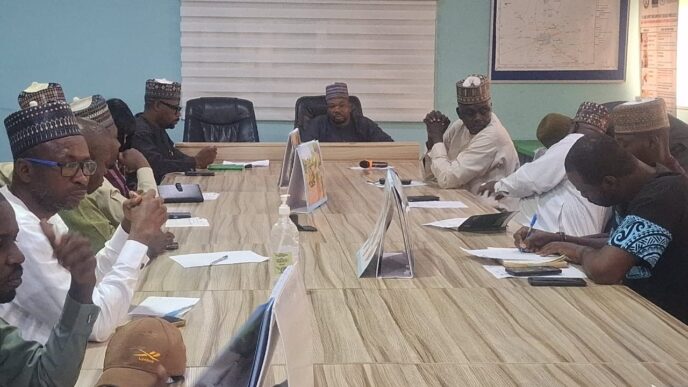
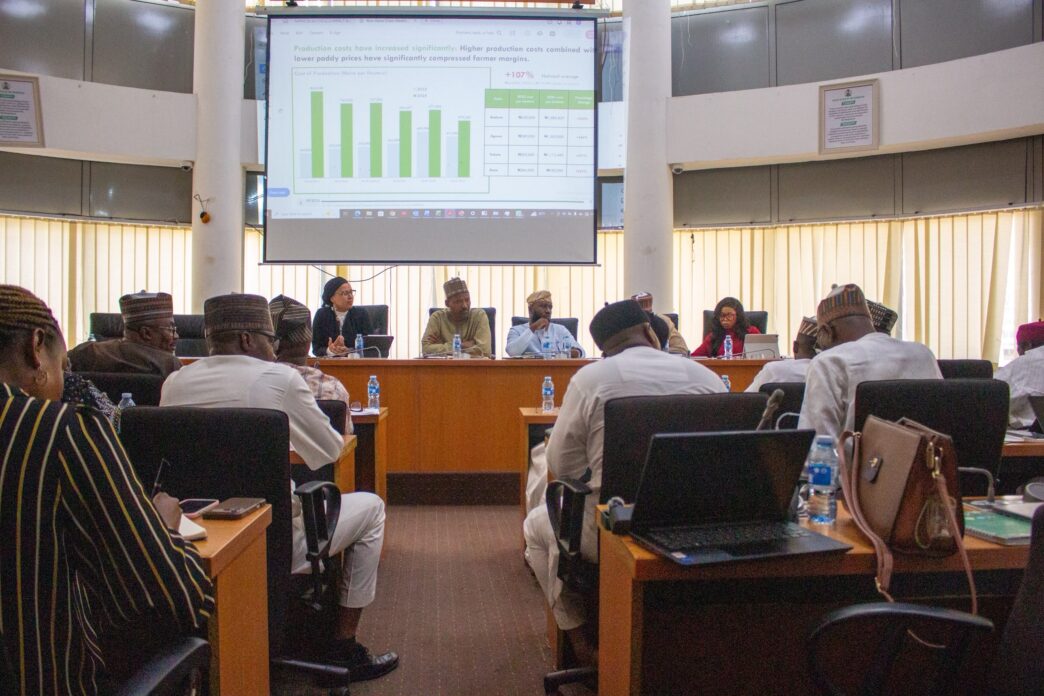
The meeting brought together government agencies, rice-producing states, farmers, processors, millers and industry associations to examine production costs, prices, stocks, trade, financing and investment in the sector.
Participants said the cost of cultivating one hectare of rice currently stands between N2.2 million and N2.3 million, with fertiliser accounting for about 35 percent of the total production cost.
They identified high energy and irrigation expenses, limited access to long-term financing, post-harvest losses and inadequate storage facilities as some of the major challenges affecting the rice value chain.
Stakeholders called for increased investment in irrigation infrastructure, including solar-powered water systems, to support rice production throughout the year.
They also advocated stronger financing and refinancing arrangements for viable rice mills and processors, as well as greater investment in storage and aggregation infrastructure.
According to the participants, reducing production and logistics expenses would help improve the competitiveness of locally produced rice.
They further called for more predictable trade and import policies that take domestic production cycles into consideration.
Mohammed Auwalu, vice-president of the Rice Farmers Association of Nigeria (RIFAN), welcomed the engagement between government and industry players.
“We welcome Government’s continued engagement with stakeholders across the rice value chain,” Auwalu said.
He added that bringing farmers, processors, state governments and federal authorities together around the country’s food balance would strengthen coordination and support continued production and investment.
The stakeholders also raised concerns over persistent price differences between locally produced and imported rice, saying such gaps could create incentives for smuggling.
The consultation was coordinated by PFSCU following a directive from its steering committee at its seventh meeting, chaired by Vice-President Kashim Shettima.