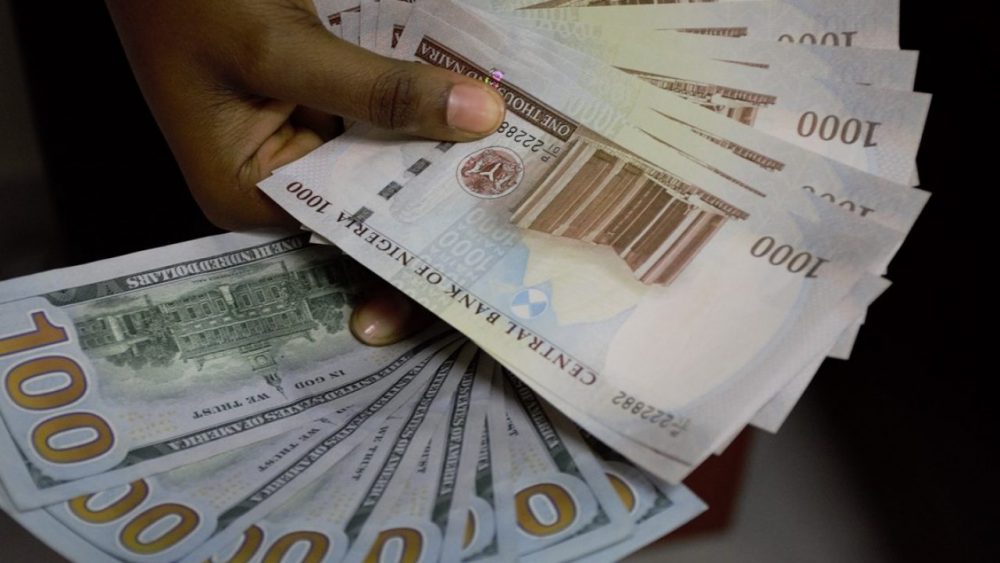



Nigeria’s foreign exchange reserves have risen above $55 billion, reaching their highest level in more than 18 years.
Gatekeepers News reports that Olayemi Cardoso, Governor of Central Bank of Nigeria (CBN) disclosed this on Tuesday while briefing journalists after the 307th meeting of the Monetary Policy Committee (MPC) in Abuja.
He said the increase reflected efforts to rebuild the country’s external buffers through what he described as a consistent and disciplined approach, alongside stronger contributions from Nigerians living abroad.
“We have been able to rebuild our reserves. We know that today, the reserves have crossed US$55 billion — the highest number in over 18 years,” Cardoso said.
He said diaspora remittances had become an important source of foreign exchange inflows, adding that the CBN had been working towards increasing monthly remittance inflows to about $1 billion.
Cardoso said the target was nearly achieved in July, when monthly inflows approached the $1 billion mark.
The Governor also linked the stronger external position to developments in the foreign exchange market, where he said the gap between previously existing exchange rates had narrowed.
He recalled that Nigeria previously operated a system with multiple exchange rates, which he said allowed access to different rates depending on individuals or businesses.
“We had a very dysfunctional foreign exchange market whereby there were multiplicity of rates depending on whom you knew,” he said.
Cardoso said the CBN’s reforms had helped close the gap between the different rates, arguing that the previous arrangement created opportunities for some people to benefit at the expense of others.
The latest reserve figure represents a further increase from the $54.08 billion recorded in early September. CBN data had shown that reserves rose from $45.56 billion at the beginning of 2026 to more than $54 billion by September.
Cardoso said the stronger reserve position, improved liquidity in the foreign exchange market and greater exchange-rate stability had strengthened Nigeria’s capacity to withstand external shocks.
He, however, acknowledged that foreign exchange inflows, including remittances, could fluctuate depending on developments in the global economy.
The disclosure came a day after the MPC reduced the Monetary Policy Rate from 26.5 percent to 23 percent, while retaining the Cash Reserve Requirement for deposit money banks at 45 percent.
The committee said the adjustment was intended to improve monetary policy transmission and support the transition towards an inflation-targeting framework.