

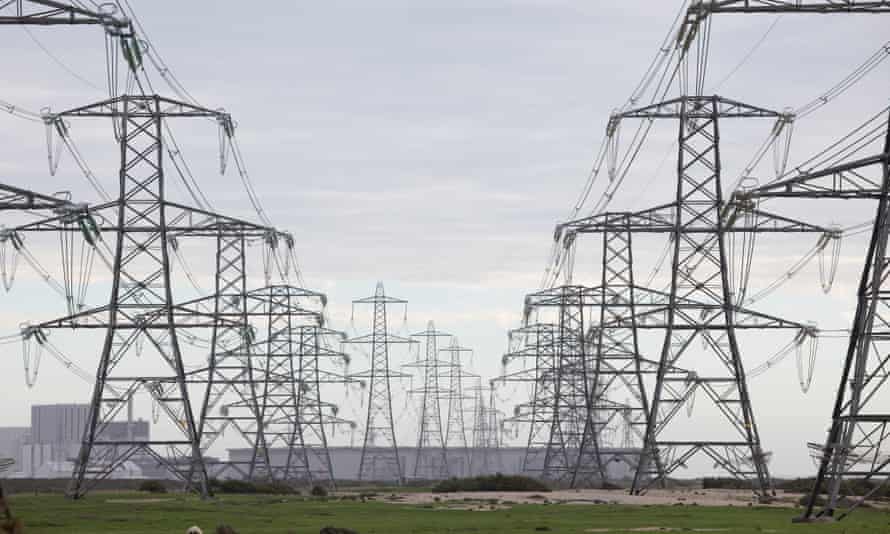
The Nigerian Independent System Operator (NISO) has attributed the decline in electricity generation on the national grid to gas supply constraints affecting thermal power plants and reduced water levels at hydroelectric power stations.
Gatekeepers News reports that the operator disclosed this in a statement on Thursday, explaining that the challenges had limited the amount of electricity available for distribution across the country.
“The limited availability of gas has constrained the capacity of affected thermal generating stations to operate at their available levels, while reduced water inflows into reservoirs have impacted the generation capacity of hydroelectric power stations,” NISO said.
It explained that the decline in available generation had reduced the volume of electricity allocated to Distribution Companies (DisCos), resulting in shorter power supply hours and increased load shedding across distribution networks.
“Consequently, the reduction in available generation has affected the quantum of electricity allocated to Distribution Companies (DisCos) for onward supply to consumers, thereby resulting in reduced hours of electricity supply and increased load shedding across distribution networks, with the level of impact varying according to available generation and the corresponding allocations to individual DisCos,” the operator added.
NISO acknowledged the difficulties faced by electricity consumers nationwide, noting that it understood the concerns raised by members of the public and other stakeholders over the deteriorating power supply situation.
The operator said it was pursuing efforts to diversify the national grid’s energy mix as part of measures to strengthen energy security and improve the reliability of electricity supply.
It reaffirmed its commitment to maintaining grid stability, optimising the dispatch of available generation and ensuring the secure, reliable and efficient operation of the national grid despite the prevailing operational challenges.