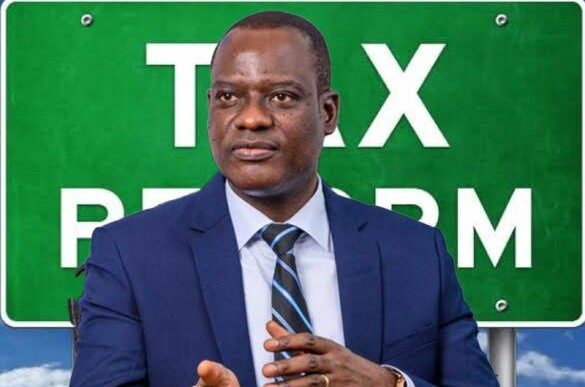


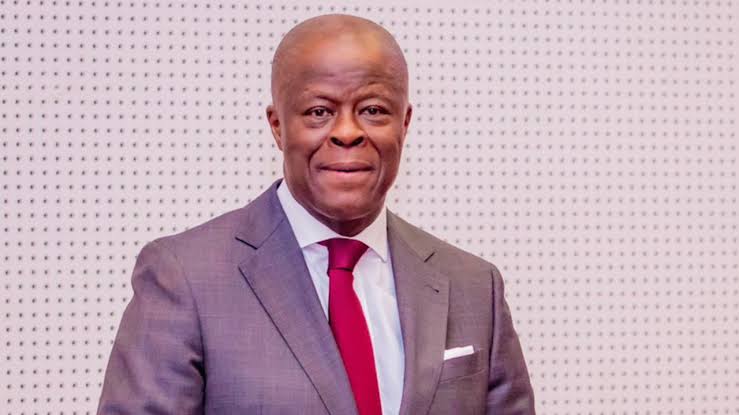
Minister of Finance Wale Edun has said Nigeria is beginning to see measurable economic improvements, with rising revenues, renewed investor confidence, and greater fiscal stability.
Gatekeepers News reports that Edun spoke in Abuja on Monday at the opening of the annual conference and general assembly of the West Africa Association of Public Accounts Committees (WAAPAC).
He said the federal government’s economic agenda is focused on removing distortions, creating the right conditions for private investment, and driving inclusive growth.
“Our goal is not to crowd out private enterprise,” Edun said. “It is to unlock opportunities and create the right conditions for investment and job creation.”
The minister noted that President Bola Tinubu’s reforms — including the removal of fuel subsidies and the liberalisation of the exchange rate — were difficult but necessary steps that are already delivering results.
“Following the removal of the major distortions, the next step was macroeconomic stability, creating a predictable environment where private investment can thrive and grow at scale and drive productivity,” he said.
Edun highlighted two priorities: strategic public investments to lay the foundation for private sector growth, and strengthening fiscal buffers through improved revenue mobilisation and debt transparency.
“The fiscal buffers, the financing, and the public sector funding for high-impact investments in education, health, infrastructure, agriculture and technology are the foundations of macro stability that will allow growth to thrive,” he explained.
According to the minister, states and local governments have enjoyed higher funding since the removal of the petrol subsidy, while Nigeria’s debt-to-GDP ratio stands at a “comfortable” 38.8 percent. The country’s debt service-to-revenue ratio has also fallen to about 60 percent in 2024, he added.
“Nigeria stands at, I would say, not so much a crossroads as a bend, a turning point, turning round into the right direction,” Edun said. “There are growing investment inflows, growing foreign exchange inflows, as the central bank has remarkably achieved in recent months, as well as a stable exchange rate and a stronger foundation for inclusive growth.”
Edun acknowledged that high debt service costs and elevated interest rates — currently around 20 percent, up from 8 percent in 2023 — remain challenges, but said government is committed to meeting obligations and ensuring inflation moderates over time.
He stressed that social safety nets must be preserved while fiscal discipline, transparency, and parliamentary oversight are strengthened.
“Decisive actions must be taken to ensure that public resources deliver real and measurable value and facilities that are fit for purpose to our people,” he said.
Shaakaa Chira, auditor-general of the federation, also addressed the event, emphasising the role of independent audits in strengthening accountability. He said debt challenges cut across the West African region and described WAAPAC as a vital platform for peer learning and reform.