

The Federal Government has announced plans to grant airlines a discount on debts owed to aviation agencies, in a move aimed at cushioning the impact of rising aviation fuel costs.
Gatekeepers News reports that the decision follows threats by airline operators to embark on a strike over the sharp increase in the price of Jet A1 fuel.
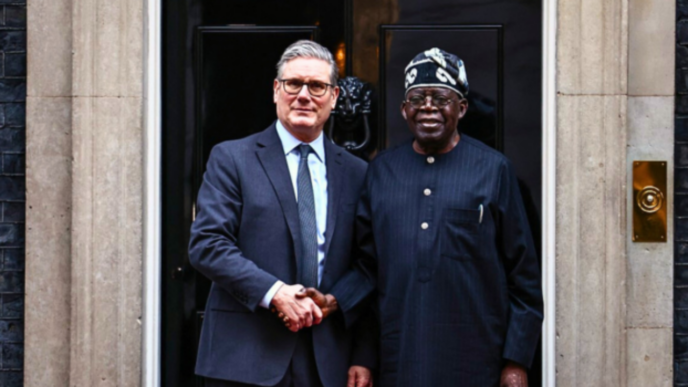
Speaking after a closed-door meeting with stakeholders in Abuja, the Minister of Aviation and Aerospace Development, Festus Keyamo, said President Bola Ahmed Tinubu has directed him to submit a proposal detailing the discount to be applied to debts owed by airlines to key agencies.
These agencies include the Nigerian Civil Aviation Authority (NCAA), Federal Airports Authority of Nigeria (FAAN), and the Nigerian Airspace Management Agency (NAMA).
“I had the privilege of meeting with Mr. President to brief him on the outcome of the meeting,” Keyamo said.
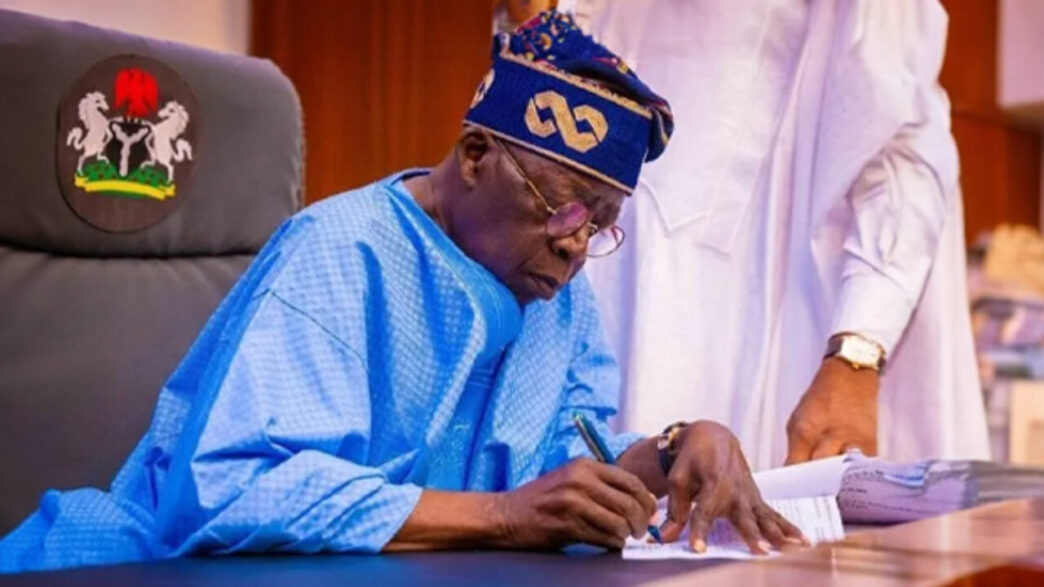
“During the discussion, he directed that a formal written request be submitted to him first thing tomorrow morning. He assured that the initial request he would consider and approve is a generous discount on the debts owed by airlines to aviation agencies, including NAMA, FAAN, NCAA, among others.”
He added that the president asked for the proposal to be submitted without delay, including details such as the percentage of the discount, noting that a final decision would rest with him.
Keyamo also said the president is concerned about the challenges facing the aviation sector and commended airline operators for maintaining fares despite rising operational costs.
The minister disclosed that plans are underway to establish a committee to address longstanding concerns around levies, taxes, and charges on domestic air travel, with a mandate to deliver recommendations promptly.
On the issue of rising Jet A1 prices, the Permanent Secretary of the Ministry of Petroleum Resources, Patience Oyekunle, said a follow-up meeting with oil marketers would be held to address the concerns raised by operators.
Airlines React
Reacting to the government’s intervention, Allen Onyema, chairman of Air Peace and spokesperson for the Airline Operators of Nigeria (AON), commended the move but called for further relief.
He urged the government to consider a complete waiver of the debts, at least temporarily, citing the impact of global disruptions, including issues around the Strait of Hormuz.
Onyema explained that the threat to suspend operations was driven by financial strain rather than intent.
“We threatened to shut down, not because we wanted to shut down, but because we had no money anymore to continue borrowing from the banks just to pay for fuel while neglecting other critical aspects of the aviation industry,” he said.
He criticised the sharp increase in fuel prices, describing it as disproportionate to global crude oil trends.
“The standard globally is that if crude oil rises by 10 percent, the by-product should rise proportionately. But in Nigeria, after the blockade of the Strait of Hormuz, prices increased by about 300 percent, and these airlines are bleeding,” Onyema said.
He stressed that safety remains a top priority for operators, noting that the decision to consider a shutdown was to avoid compromising maintenance and operational standards.
“And you know very well that your regime preaches utmost safety, and we don’t want to shorten safety. So we decided that instead of lacking funds for maintenance and other obligations, we considered shutting down,” he added.
Onyema also questioned the pricing practices of fuel marketers, noting that even the Dangote Group offers relatively lower prices.
“The marketers must explain how they arrived at a 300 percent increase when even Dangote is surprised. What he sells remains the cheapest, and some of them source from there,” he said.
He further appealed to the government to increase funding for the Bank of Industry (BOI), to enable airlines access to lower-interest credit facilities.
The intervention by the federal government appears to have eased immediate tensions, with operators stepping back from plans to halt operations while discussions continue.