

Ride-hailing companies in Nigeria are rolling out cheaper transport options, including minibuses popularly known as korope and tricycles, to meet growing demand for affordable last-mile mobility.
Gatekeepers News reports that the low-cost services, designed for short-distance trips in congested urban centres, come as many Nigerians grapple with rising living costs and increasing transportation expenses amid shrinking disposable incomes.
The move also reflects how transport technology firms are adapting to Nigeria’s economic realities through innovation.
One of the new offerings gaining attention is Uber’s korope option in Lagos, recently tried out by actress Omowunmi Dada.
In a video shared on social media, Dada said she opted for the service after completing a demanding film role, describing the experience as both unique and enjoyable.
“I checked on the Uber app, and I saw Uber Mini, and then guys, I’m inside my Uber Korope,” she said.
She noted that the vehicle had limited features, including no air conditioning, but said it appeared practical for short trips.
Uber is not alone in exploring lower-cost mobility alternatives. In November 2025, the Lagos State-backed transport platform, LagRide, expanded its operations to include smaller vehicles under initiatives such as Omnia.
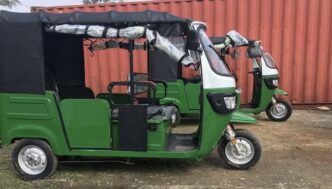
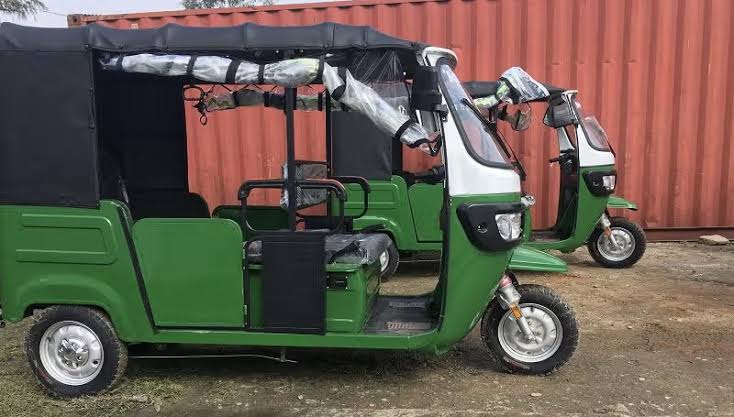
Similarly, in April 2025, Bolt introduced electric tricycles, popularly known as keke-napep or maruwa, in selected parts of Lagos, targeting lower fares for commuters while improving earnings for drivers.
The introduction of korope and keke options signals a growing shift by ride-hailing operators toward more affordable and flexible transport models as commuters seek cheaper ways to navigate urban centres.