


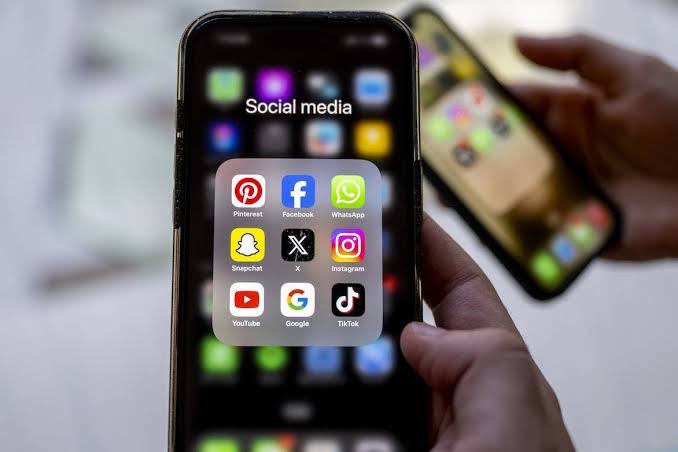
In today’s world, the internet feels like a second reality. From social media feeds to news updates, blogs, videos, and viral posts, information is constantly flowing. For many people, especially young users, what appears online can easily feel like the truth. But the uncomfortable reality is simple: not everything online is real.
The internet is a powerful tool, but it is also a space where illusions can be created easily. Anyone with a smartphone can post content, and once it is online, it can spread within seconds. The problem is that speed does not guarantee truth.
The Illusion of Perfect Lives.
One of the most common examples is social media. Scroll through Instagram or TikTok, and you might think everyone is living a perfect lifeexpensive vacations, flawless skin, luxury outfits, and constant happiness. But what is often not shown is the reality behind those posts.A person may take 50 photos just to select one “perfect” image. Filters, editing apps, and angles can completely change how someone looks or what a place actually looks like. That beach vacation you admire might be heavily edited, or even taken months ago. The truth is, many online lives are curated highlights, not full realities.
This can affect how people see themselves. A student comparing their normal life to someone’s edited online lifestyle may start feeling like they are not doing enough or not good enough—when in fact, they are comparing reality to a carefully constructed illusion.
Fake News and Misinformation.
Another serious issue is false information. Sometimes, news spreads online before it is even verified. A shocking headline might go viral, but later turn out to be completely false or misleading.
For example, during major events or emergencies, fake updates often circulate faster than official information. A single unverified post can cause panic, confusion, or wrong decisions. Many people share content without checking the source, simply because it looks believable or emotional.
This is how misinformation grows. It doesn’t always come from bad intentions sometimes people just don’t know better. But the result is the same: truth gets mixed with lies.
Scams and Online Deception.
The internet also provides space for scams. Fake job offers, investment schemes, giveaway messages, and impersonated accounts are everywhere. Some are so convincing that even careful users can fall for them.
There are cases where people receive messages claiming they have won prizes or asking for personal details to “claim rewards.” Others are tricked into sending money to fake business accounts. These scams work because they look real enough to trust. Behind many of these schemes is one goal : to manipulate emotions greed, fear, urgency, or hope.
The Pressure of “Trends”
Not everything harmful online is fake information; sometimes it is pressure. Trends on social media can make people feel like they must act, look, or live a certain way to fit in.
For example, a trend might suggest a “perfect body type” or a “successful lifestyle by a certain age.” While these ideas may seem harmless, they can quietly shape how people think about themselves and their future. What is popular online is not always realistic or healthy in real life.
Learning to Question What We See.
The goal is not to fear the internet or avoid it completely. The internet is useful for learning, communication, and opportunities. However, it requires awareness.
A simple habit like asking, “Where did this information come from?” can make a big difference. Checking multiple sources, looking for official confirmation, and being cautious before sharing content are small steps that help separate truth from fiction.
It is also important to remember that what we see online is often a fragment of reality, not the full picture.
Conclusion.
The internet is like a giant stage where anyone can perform, edit, and present their version of reality. Some of it is true, some of it is exaggerated, and some of it is completely false.
Understanding this helps us become more careful, less judgmental, and more informed users of digital spaces. Not everything online is real—and recognizing that truth is one of the most important skills in today’s connected world.
PRISCILLA PAMBI TAJIRING
University of Maiduguri
Faculty of Social Science
200 Level
Gatekeepers News is not liable for opinions expressed in this article; they’re strictly the writer’s