

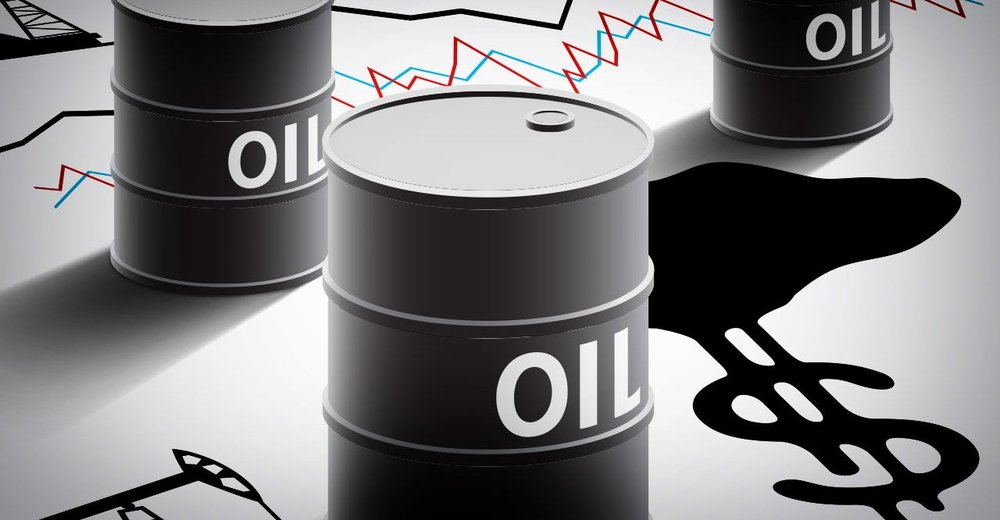
Oil prices climbed on Tuesday, with Brent crude rising above $91 per barrel, as prospects of a deal to end the Middle East conflict weakened and concerns over global energy supplies intensified.
Gatekeepers News reports that Brent crude gained about one percent to trade at $91.76 per barrel, while US West Texas Intermediate (WTI) rose by a similar margin to $85.24 per barrel.
The increase followed Iran’s indication that it would adopt a more offensive posture, while the United States ruled out extending a ceasefire agreement, heightening fears that disruptions to energy supplies could persist.
Progress towards peace negotiations and the resumption of normal oil tanker traffic through the strategic Strait of Hormuz has also stalled, raising concerns that the conflict, which began with US and Israeli attacks on Iran on February 28, could drag on.
On Tuesday, a projectile struck a vessel travelling out of the Strait of Hormuz, in the latest incident to disrupt shipping through the key waterway.
Tracking data showed that vessel crossings through the strait remained in single digits, despite a slight increase from levels recorded over the weekend.
Meanwhile, Iran has been negotiating with Oman over an arrangement to manage traffic through the Strait of Hormuz, with Tehran saying the two countries were close to reaching an agreement.
US President Donald Trump responded to the talks by threatening to bomb Oman, a longstanding US security partner.
The developments have heightened uncertainty over the security of one of the world’s most important oil transit routes, with any prolonged disruption potentially putting further upward pressure on crude prices.
For Nigeria, sustained higher oil prices, combined with increased domestic crude production, could provide a boost to government revenue and foreign exchange earnings.
Nigeria’s average daily crude oil production rose to 1.505 million barrels per day (bpd) in July, according to data from the Organisation of the Petroleum Exporting Countries (OPEC).