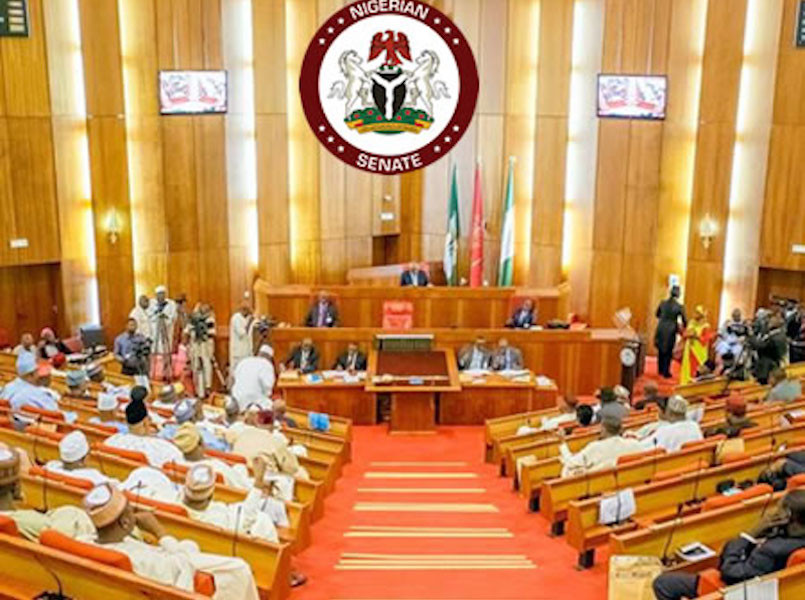
The House of Representatives has passed a bill seeking to establish the National Authority for Renewable Energy (NARE) for second reading, in a move aimed at strengthening the regulation and development of renewable energy in Nigeria.
Gatekeepers News reports that the Electricity Act (Amendment) Bill, 2025, sponsored by Afam Ogene, chairman of the House Committee on Renewable Energy, passed the second reading during plenary on Thursday.
The proposed legislation seeks to transfer renewable energy-related responsibilities currently handled by the Nigerian Electricity Regulatory Commission (NERC), the Rural Electrification Agency (REA) and the Rural Electrification Fund (REF) to the proposed authority.
Leading the debate on the bill, Ogene said the establishment of a dedicated institution would address gaps in the electricity sector and provide a coordinated framework for renewable energy development.
He identified specialised regulation, rural electrification, investment promotion, employment generation, energy diversification, consumer protection and institutional funding among the objectives of the proposed authority.
Ogene also said the authority would promote mini-grid and off-grid electricity systems to expand power supply to remote, unserved and underserved communities.
The bill further proposes provisions for tariffs, licensing, operational standards, compliance monitoring and dispute resolution to guide activities within the renewable energy sector.
However, the proposal faced opposition from some lawmakers who questioned the need to create another regulatory institution when existing agencies already perform electricity-related functions.
Victor Nwokolo, chairman of the House Committee on Power, opposed the bill, arguing that transferring renewable energy responsibilities from NERC could complicate regulatory coordination and increase governance costs.
Nwokolo noted that the Electricity Act 2023 had already empowered state and local governments to establish electricity generation, distribution and marketing systems. He also referred to ongoing discussions on amending the law to provide uniform regulatory standards.
Ahmadu Jaha, an APC lawmaker from Borno State, shared concerns about the proposed authority, describing its establishment as a potential duplication of existing regulatory responsibilities.
Supporters of the bill, however, maintain that a dedicated institution could improve oversight, attract investment and accelerate the expansion of renewable energy infrastructure.
Following the debate, the bill scaled second reading and was referred for further legislative consideration.
The proposed legislation must pass the remaining stages of the legislative process and receive presidential assent before it can become law.
If enacted, the measure could reshape the institutional framework for renewable energy development in Nigeria, particularly in expanding access to electricity through solar power, mini-grids and other off-grid solutions. However, its eventual impact will depend on the final provisions of the law and how the proposed authority works with existing electricity-sector institutions.