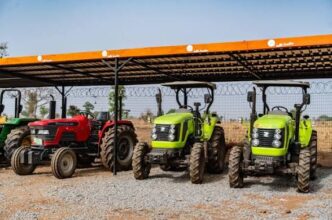
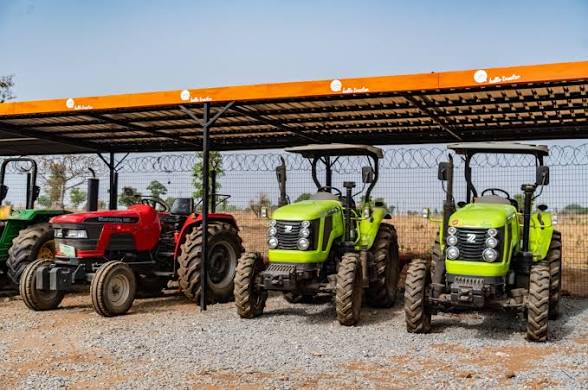
Hello Tractor, an agricultural technology company, has urged the federal and state governments to prioritise effective mechanisation systems over tractor purchases to boost agricultural productivity in Nigeria.
Gatekeepers News reports that Nneka Enwonwu, Country Director of Hello Tractor in Nigeria, made the call in a statement issued on Thursday, stressing that the success of agricultural mechanisation depends more on the availability of reliable services than on the number of tractors acquired.
Enwonwu said sustainable mechanisation requires effective maintenance, accessible financing, operator training and efficient equipment deployment systems to ensure tractors remain operational and available to farmers when needed.
“Agricultural transformation does not happen simply because tractors are purchased. It happens because tractors work,” she said.
She explained that well-coordinated mechanisation systems would improve farmers’ access to services, ensure proper equipment scheduling and strengthen accountability in the agricultural sector.
The call comes amid renewed government commitments and investments in agricultural equipment, with federal and state governments announcing or deploying thousands of tractors in recent years to improve food security and agricultural productivity.
However, Enwonwu argued that Nigeria’s mechanisation challenges extend beyond equipment shortages to include poor coordination and operational inefficiencies.
She noted that Nigeria has approximately 0.27 tractors per 1,000 hectares of arable land, a figure she said was significantly below continental and global averages.
According to her, delays in deploying equipment during critical planting periods could reduce crop yields and farmers’ incomes, making timely access to mechanisation services essential for agricultural productivity.
Enwonwu called for the wider adoption of digital fleet management systems to improve equipment tracking, monitor performance, minimise downtime and coordinate tractor deployment across farming communities.
She added that sustainable mechanisation would require collaboration among government agencies, private equipment operators, financial institutions, technology providers and farming communities.
“The future of mechanisation in Nigeria cannot depend solely on purchasing more equipment,” she said.
“What matters is building the systems that make mechanisation reliable, accountable, and economically productive for farmers and rural communities.”
The Hello Tractor country director urged federal and state governments to invest in maintenance infrastructure, operator training, financing arrangements, coordination platforms and operational accountability.
She said such investments would help ensure that public spending on agricultural mechanisation delivers lasting benefits to farmers and rural communities while supporting Nigeria’s food security objectives.