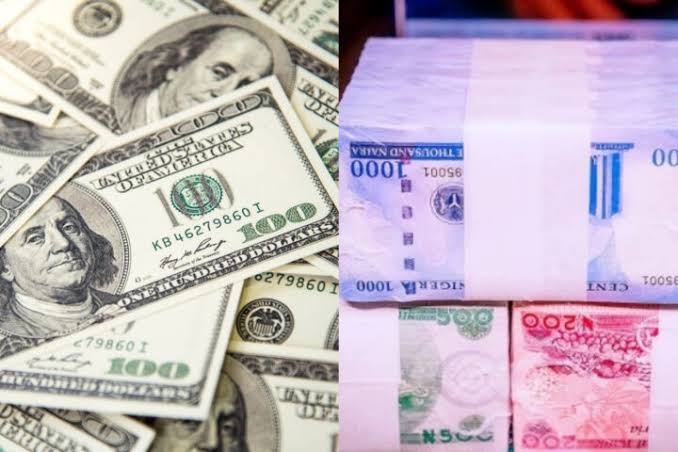
Centre for the Promotion of Private Enterprise (CPPE) has cautioned that increasing political activities ahead of the 2027 general election could threaten Nigeria’s economic recovery by fuelling inflation, putting fresh pressure on the foreign exchange market and slowing the implementation of critical reforms.
Gatekeepers News reports that in its half-year economic outlook released on Sunday, the economic think tank said election-related spending is expected to inject more liquidity into the economy, a development that could worsen inflationary pressures, increase demand for foreign exchange and complicate macroeconomic management.
The report, signed by the CPPE’s Chief Executive Officer, Muda Yusuf, warned that the growing focus on politics could also shift the attention of policymakers away from economic governance, delaying the execution of key fiscal and structural reforms needed to sustain the country’s recovery.
Despite these concerns, the organisation projected that Nigeria’s economy would continue its gradual recovery in the second half of the year, supported by growth in financial services, telecommunications, construction, trade, oil refining and other service-related sectors.
The CPPE also forecast that inflation would remain significantly lower than 2025 levels, while exchange rate stability would be sustained by stronger foreign exchange inflows, healthier external reserves and improving investor confidence.
However, the think tank noted that the country’s improving macroeconomic indicators have not translated into meaningful gains for businesses or households. It said many companies continue to struggle with rising production costs, while living conditions for many Nigerians have yet to improve.
According to the report, high interest rates, expensive energy, inadequate electricity supply, poor transport infrastructure, logistics bottlenecks and persistent insecurity continue to undermine productivity, reduce competitiveness and discourage investment.
The CPPE further stated that procurement delays, limited funding and mounting debt-service obligations have slowed the implementation of government capital projects, thereby reducing the growth impact of fiscal policy.
It stressed that while macroeconomic stability provides a solid foundation for economic growth, it is insufficient on its own to transform the economy.
“The next phase of reform should focus on lowering production costs, improving productivity and strengthening the competitiveness of Nigerian enterprises,” the report stated.
The organisation urged the Federal Government to improve electricity supply, modernise transport infrastructure, reform logistics and port operations, strengthen security in farming communities, expand access to affordable long-term financing for businesses and accelerate the implementation of capital budgets.
It also advised the government to boost public revenue through efficiency-enhancing reforms rather than introducing additional tax burdens, while maintaining policy consistency despite the increasing political activities expected in the run-up to the 2027 general election.