

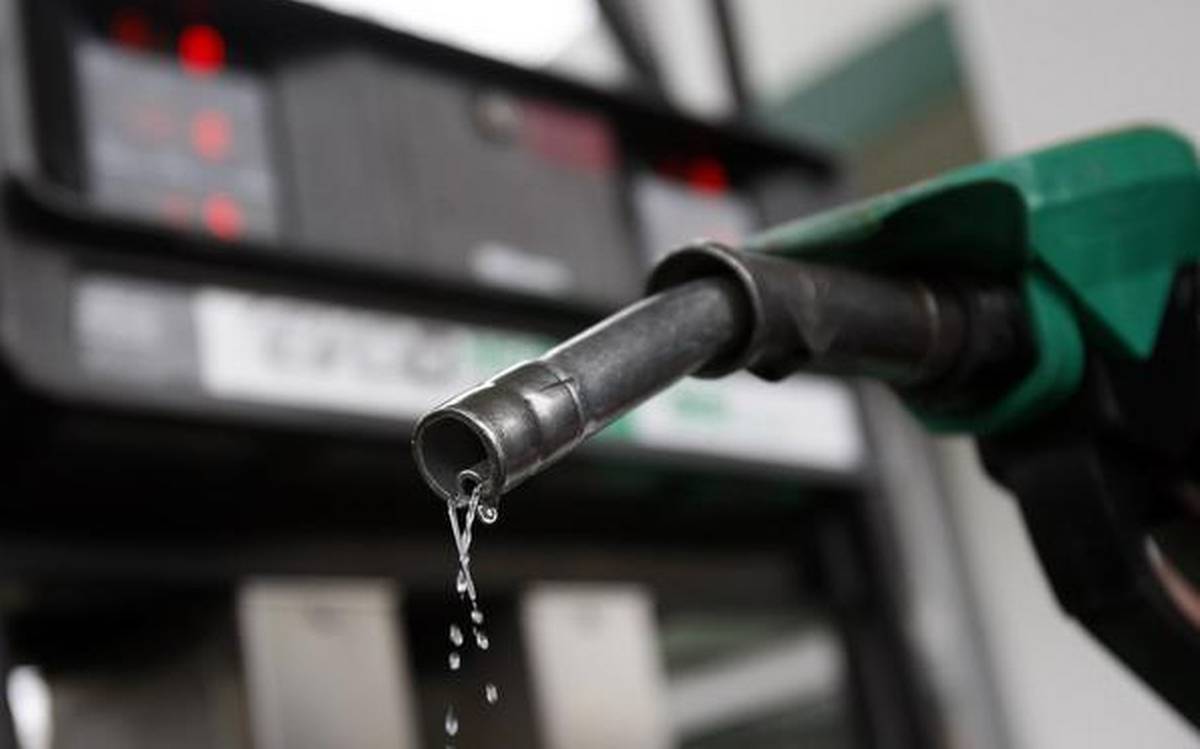
Nigerian Midstream and Downstream Petroleum Regulatory Authority (NMDPRA) has attributed fluctuations in petrol pump prices to several factors, including crude oil sourcing, single-source domestic refining, logistics and transportation costs.
Gatekeepers News reports that George Ene-Ita, NMDPRA’s head of public affairs, disclosed this in an interview with the News Agency of Nigeria (NAN) in Abuja on Sunday.
Ene-Ita explained that petrol prices are fully deregulated, meaning changes across the supply chain are reflected in what consumers pay at filling stations.
“This issue is knotty in the sense that there are various factors involved,” he said.
He listed the factors affecting prices to include the sourcing of crude oil as feedstock, delays between offshore crude procurement and delivery to refineries, as well as the time between ordering imported petrol cargoes and their arrival at Nigerian ports.
He added that transportation and landing costs, alongside marine and inland taxes, also contribute to petrol prices.
“Pump price petrol has been completely deregulated. And if this is the case, it also means that all volatilities associated with supply have to be factored in,” Ene-Ita said.
According to him, the pricing situation could become more stable when Nigeria’s domestic refining sector becomes more competitive and sustainable.
“Perhaps when the domestic refining ecosystem becomes more robust, competitive and sustainable, the issues regarding pricing will become clearer and more beneficial to consumers,” he said.
Ene-Ita also stated that refinery pricing templates and ex-depot prices are not regulated under the current framework. However, he said the NMDPRA is working with relevant stakeholders, including the Federal Competition and Consumer Protection Commission (FCCPC), to promote price equilibrium and parity at the last mile.
The development comes after petrol prices rose above N1,300 per litre on September 1 as Brent crude climbed to $95.36 per barrel, adding pressure to domestic fuel prices.
Meanwhile, Abubakar Maigandi Garima, president of the Independent Petroleum Marketers Association of Nigeria (IPMAN), called for government intervention in crude oil pricing for domestic refineries.
He argued that cheaper crude for local refineries could help reduce production costs and ultimately lower petrol prices for consumers.
“What we are saying is that if Nigerians can make this huge investment, we should support them. Government can intervene by reducing the cost of crude oil to the refinery,” Maigandi said.
He stressed that such intervention should not be viewed as a return to fuel subsidy but as a temporary measure to support domestic refining and ease pressure on consumers.