

Central Bank of Nigeria (CBN) has set a target of increasing monthly diaspora remittances to $1.5 billion by June 2027, a move that could raise annual inflows to $18 billion if sustained.
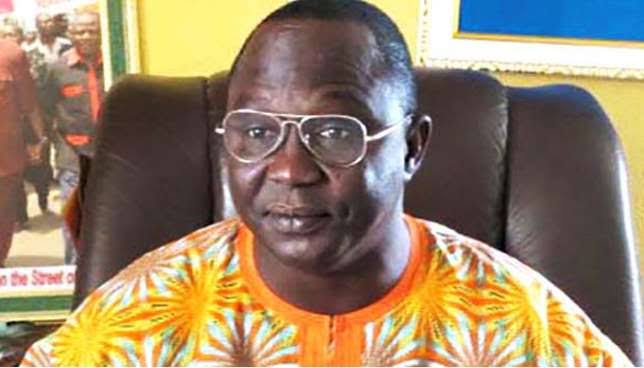
Gatekeepers News reports that CBN Governor, Olayemi Cardoso, disclosed this on Friday at the 61st Annual Bankers’ Dinner of the Chartered Institute of Bankers of Nigeria (CIBN) in Lagos.
Cardoso said Nigeria had achieved its previous target of attracting $1 billion in monthly diaspora remittances, announced at last year’s bankers’ dinner.
He said the apex bank was now working towards increasing the figure by 50 per cent to $1.5 billion monthly by the end of the first half of 2027.
According to him, the progress was driven partly by licensed International Money Transfer Operators, which had improved transparency, invested in technology and expanded formal remittance channels, particularly across Asia.
The CBN governor also disclosed plans to introduce interbank repurchase agreement (repo) and overnight indexed swap (OIS) markets in the first quarter of 2027 to deepen liquidity and improve efficiency in the financial system.
He said the apex bank would work with market participants to establish the two markets, which would provide financial institutions with additional tools to manage short-term funding needs and interest rate risks.
An interbank repo market allows banks to borrow and lend money using securities as collateral, while an overnight indexed swap market enables financial institutions to manage exposure to fluctuations in interest rates.
Cardoso said the development would strengthen the capacity of financial institutions to manage liquidity and longer-term financing risks, reducing their dependence on the CBN for functions that could be handled by market participants.
He also disclosed that the naira had appreciated by approximately six per cent over the past year, while daily foreign exchange market turnover had sometimes exceeded $1 billion.
The governor further revealed that the banking sector recapitalisation exercise had been concluded, with 33 banks meeting the revised minimum capital requirements after raising approximately N4.65 trillion in fresh capital.
However, he acknowledged that stronger bank balance sheets had yet to translate into affordable credit for many productive businesses, citing high credit risks, monetary policy conditions and weaknesses in credit assessment, collateral and enforcement systems.
Cardoso said the CBN was also targeting at least a doubling of Nigeria’s private sector credit-to-Gross Domestic Product ratio by 2030, subject to sound lending practices and financial stability.
He added that the apex bank would introduce a comprehensive regulatory rulebook in 2027 to provide greater clarity on regulatory requirements and supervisory standards across the financial system.