

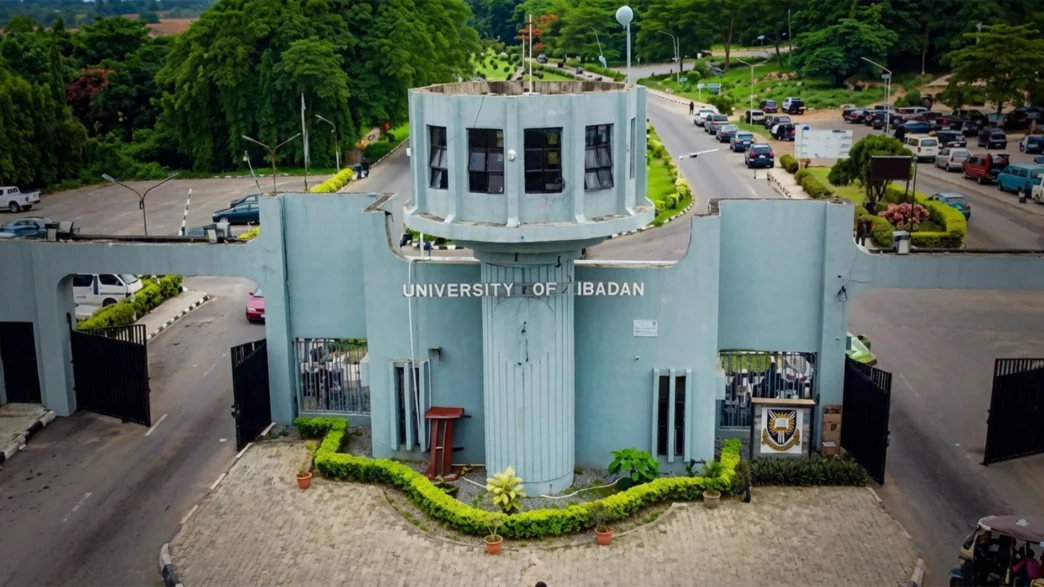
Members of the Non-Academic Staff Union of Universities and the Senior Staff Association of Nigerian Universities on Tuesday shut the main gates of University of Ibadan, disrupting access to the institution as part of a nationwide industrial action.
Gatekeepers News reports that the peaceful protest left students, staff and visitors stranded outside the campus, as union members gathered at the entrance to press home their demands over the delayed renegotiation and implementation of the 2009 agreement with the federal government.
The workers expressed frustration over what they described as prolonged delays in addressing welfare issues, salary arrears and conditions of service.
Chairman of NASU at the university, Oluwafemi-Michael Ogunlade, said the strike followed years of unresolved negotiations and unfulfilled assurances.
He noted that the unions had issued several ultimatums, warning that continued delays were affecting staff welfare and the effective functioning of the university system.
Ogunlade added that the unions resorted to the action after exhausting all avenues for dialogue, stressing that they remain open to meaningful engagement with the federal government.
The protesting workers, joined by SSANU members, called for urgent intervention to prevent further disruption across public universities.
The strike also paralysed academic and administrative activities at Ahmadu Bello University, where key facilities including the Senate Building, library and sickbay were locked.
Operations at the Works and Estate Department were halted, leading to disruptions in water and electricity supply across the campus.
Chairman of SSANU at ABU, Shuaibu-Ahmed Halilu, said the action was in compliance with a directive from the union’s national body.
Similarly, activities at University of Ilorin were disrupted as non-teaching staff continued their indefinite nationwide strike.
Chairman of SSANU at UNILORIN, Falowo Olushola, said the unions were demanding a 45 per cent salary increase and full implementation of the 2009 agreement.
He added that the unions had rejected the federal government’s earlier 30 per cent salary proposal, describing it as unacceptable.