The Nigeria Labour Congress (NLC) has said rising inflation has effectively eroded the purchasing power of the N70,000 national minimum wage, leaving workers struggling to meet basic household needs.
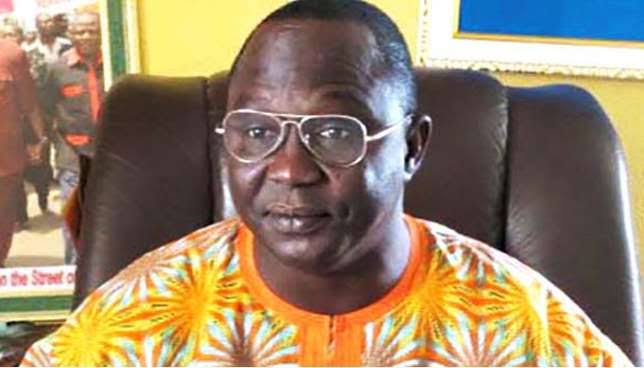
Gatekeepers News reports that NLC President, Joe Ajaero, said the wage had been overtaken by sharp increases in the prices of food, transportation, housing, education and other essential goods and services.
In an Independence Day statement, Ajaero said the erosion of workers’ purchasing power had become a survival crisis and called for immediate measures to cushion the impact of rising living costs.
“The N70,000 minimum wage was already destroyed by inflation before it was implemented,” Ajaero said.
He urged the Federal Government to establish a tripartite committee and conclude negotiations on a new national wage benchmark for 2027 before the end of the year.
The NLC also demanded an immediate nationwide wage award for workers at the federal, state and local government levels as an emergency measure to ease the pressure created by inflation.
NLC demands answers on subsidy savings
The labour union demanded an account of the savings from the removal of the petrol subsidy, questioning how the funds had been utilised three years after Nigerians were told that the savings would be redirected towards infrastructure and social services.
Ajaero said the continued increase in petrol prices had contributed significantly to rising transportation costs and further reduced workers’ real incomes.
He said petrol was selling for about N1,430 per litre or higher in major cities, adding that the increase had intensified transport costs and contributed to higher prices for food, school fees, rent and other necessities.
The NLC called for urgent measures to reduce petrol and transportation costs, noting that “rising transport fares have become a major channel” through which higher energy costs are transmitted across the economy.
Ajaero also questioned the continued dependence on imported refined petroleum products despite Nigeria being Africa’s largest oil producer.
He argued that inadequate domestic refining capacity had left consumers vulnerable to movements in international oil prices.
“Where exactly did the subsidy savings go? Nigerians deserve an answer, and they deserve it now,” he said.
The labour leader said the government needed to find ways to reduce petrol prices, particularly because transportation had become a major driver through which inflation was transmitted to other areas of the economy.
HURIWA backs petrol price reduction
Meanwhile, the Human Rights Writers Association of Nigeria (HURIWA) has called on the Federal Government to urgently review the price of Premium Motor Spirit (PMS), popularly known as petrol.
The organisation said the pump price of about N1,500 per litre was worsening the country’s cost-of-living crisis.
HURIWA also backed the Joint National Public Service Negotiating Council’s (JNPSNC) demand for a reduction in petrol prices to N500 per litre, saying the proposal reflected the economic pressure being experienced by workers and their families.
HURIWA National Coordinator, Emmanuel Onwubiko, said the proposed October 2 warning strike by public servants should serve as a warning to the government that workers were struggling to cope with high fuel prices, rising transportation costs, increasing food prices and declining purchasing power.
The association said public servants had threatened a three-day warning strike beginning October 2 if the government failed to address their demands.
Among the demands are a reduction in petrol prices to N500 per litre, payment of a wage award and the immediate establishment of a tripartite committee to begin negotiations for a new national minimum wage expected to take effect in 2027.
HURIWA urged the Federal Government to treat the workers’ demands as an urgent national economic issue rather than merely a labour dispute.