

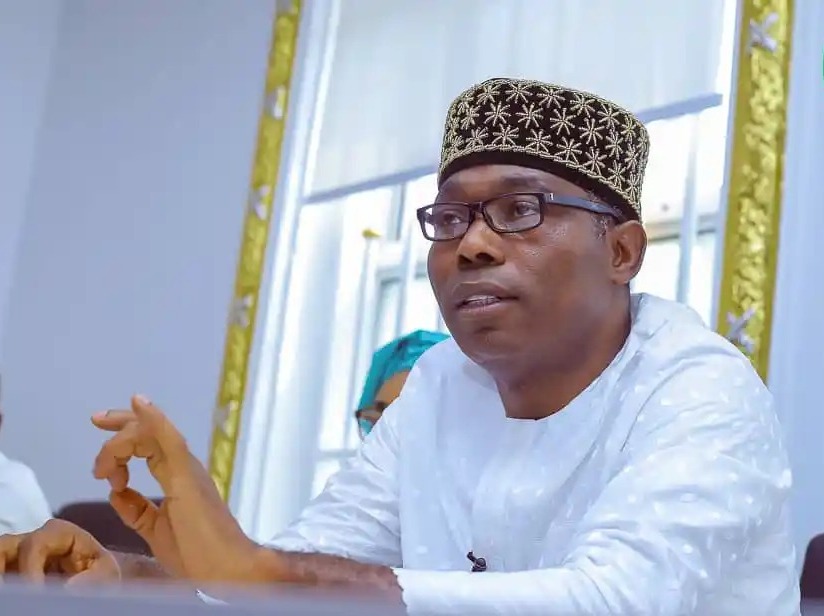
The presidential candidate of the Social Democratic Party (SDP), Prince Adewole Adebayo, has unveiled a five-point agenda for transforming Nigeria, promising to tackle insecurity, unemployment, low productivity, inadequate electricity supply and weak institutions if elected president in 2027.
Gatekeepers News reports that Adebayo presented the agenda during an interactive session with journalists and members of the Middle-Belt Forum, where he also criticised the administration of President Bola Tinubu.
He argued that economic growth figures would have little meaning if they did not translate into jobs, increased productivity, improved living standards and better opportunities for businesses.
According to Adebayo, Nigeria’s major challenges are rooted in weak institutions, poor accountability, low productive capacity and what he described as government-enabled criminality.
“What is sustaining criminality and violence in Nigeria is that it is either government sponsored or government enabled,” Adebayo said.
He pledged to dismantle structures that facilitate criminal activities and vowed that his administration would not tolerate the involvement of public officials in activities capable of undermining national security.
Security, Economy
Adebayo promised a comprehensive restructuring of Nigeria’s security architecture, with greater emphasis on intelligence gathering, community responsiveness and crime prevention.
He argued that the country could not defeat insecurity by merely responding to attacks after they occurred, stressing the need to identify and disrupt the networks and conditions that sustain violence.
On the economy, the SDP candidate rejected headline growth figures as the main measure of national progress.
He said the real indicators should include the productive capacity and welfare of citizens, businesses and government enterprises.
Adebayo proposed a full-employment strategy, greater transparency in revenue collection, stronger financial accountability and a clear separation between public officials and government contracting.
He also advocated decentralising economic production by giving states and local governments greater roles in sectors such as agriculture and mining.
The SDP candidate proposed what he described as a “promotional tax regime” designed to protect living wages, stimulate investment and encourage businesses to expand production rather than simply increase government revenue.
Mining as Economic Opportunity
Adebayo identified Nigeria’s vast mineral resources, particularly those located across the Middle Belt, as a major economic opportunity that remains largely untapped.
He said properly regulated mining could generate employment, increase government revenue and diversify the economy away from excessive dependence on petroleum.
He called for an end to what he described as the “criminalisation of mining”, insisting that the sector should be formally regulated and developed rather than left vulnerable to illegal operators and criminal networks.
Adebayo Targets 75,000MW Power Generation
On electricity, Adebayo said Nigeria must abandon outdated power-generation targets and begin planning for an economy capable of supporting large-scale industrialisation.
He proposed that the country target between 50,000MW and 75,000MW of electricity generation capacity by 2050 through a combination of gas-fired power plants, solar energy and rehabilitation of existing hydroelectric infrastructure.
“At least Nigeria now, any presidential candidate who is not giving you a plan for 50,000 megawatts is behind time,” he said.
Adebayo also criticised the existing electricity market, alleging that political interests had interfered with tariff collection and other critical aspects of the sector.
He called for the restructuring of electricity distribution companies and the energy procurement system to improve efficiency and ensure more reliable electricity supply to households and businesses.
Foreign Policy, Diaspora
Adebayo said security would remain central to his administration, promising to restructure the armed forces and broader security architecture to make them more responsive to communities while strengthening intelligence capabilities.
He maintained that tackling insecurity would require more than military intervention, stressing the importance of stronger institutions, economic opportunities and a government capable of identifying and dismantling criminal networks before they strike.
On foreign policy, he proposed stronger international partnerships to improve Nigeria’s national security, education, technology and access to global markets.
He also promised to give greater attention to Nigerians living abroad and deliberately integrate the diaspora into the country’s development strategy.
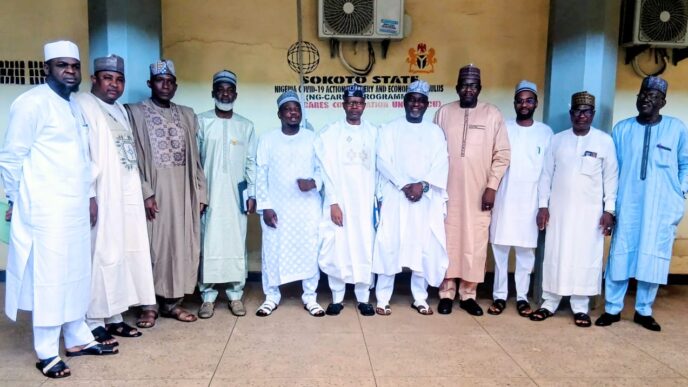
The engagement formed part of the SDP’s consultations with political and community stakeholders ahead of the 2027 general elections.
The party’s National Chairman, Prof. Sadiq Umar Abubakar Gombe, said the SDP was positioning itself to participate in a credible electoral process while contributing to Nigeria’s democratic development.
Gombe urged the Middle-Belt Forum to play a strategic role in shaping the country’s political future, describing the group as an important stakeholder.
“My request for them from the Middle Belt is that as one of the key stakeholders in our country, we came to unveil our manifesto and the manifesto of the candidate to them, so as we move on together toward the rescue mission of our dear country,” he said.
The SDP chairman said the party was encouraged by the reception it received from members of the Middle Belt and their understanding of Adebayo’s policy proposals.
He expressed confidence that the engagement would strengthen collaboration between the SDP and stakeholders in the region ahead of the 2027 presidential election.